What is the cost of a battery container in 2026?
The price of a battery container depends on capacity, type, quality, and additional costs such as transport and installation. This article outlines all price factors and practical examples. A battery container serves as a solution for large-scale energy storage, but what is the actual cost of such a system? The price is determined by more than just the container itself. Capacity, type, quality, supplier, and additional costs like transport, installation, and grid connection all play a role. We provide insight into the complete price structure, the factors that influence costs most, the additional expense items to expect, and several practical examples. This outlines the requirements before you invest.
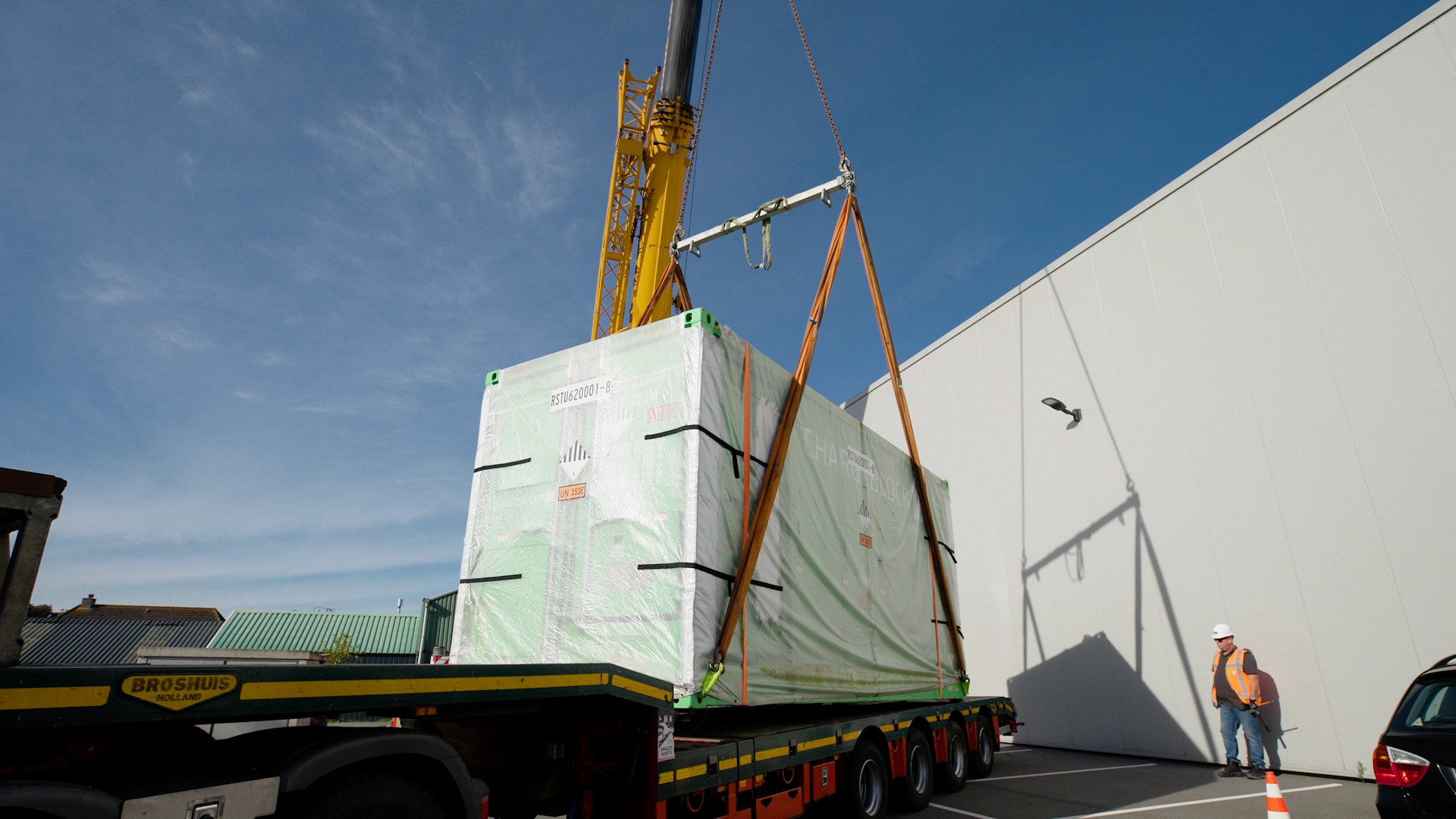
What is the cost of a battery container in 2026?
The price of a battery container depends on capacity, type, quality, and additional costs such as transport and installation. This article outlines all price factors and practical examples. A battery container serves as a solution for large-scale energy storage, but what is the actual cost of such a system? The price is determined by more than just the container itself. Capacity, type, quality, supplier, and additional costs like transport, installation, and grid connection all play a role. We provide insight into the complete price structure, the factors that influence costs most, the additional expense items to expect, and several practical examples. This outlines the requirements before you invest.
What is the cost of a battery container in 2026?
The price of a battery container depends on capacity, type, quality, and additional costs such as transport and installation. This article outlines all price factors and practical examples. A battery container serves as a solution for large-scale energy storage, but what is the actual cost of such a system? The price is determined by more than just the container itself. Capacity, type, quality, supplier, and additional costs like transport, installation, and grid connection all play a role. We provide insight into the complete price structure, the factors that influence costs most, the additional expense items to expect, and several practical examples. This outlines the requirements before you invest.

Which factors determine the price of a battery container
The final price of a battery container is determined by a combination of key factors:
Capacity (kWh): This is the main cost driver. Small containers start around 50–100 kWh; industrial systems scale up to 1 MWh or more. Higher storage capacity directly correlates with a higher price.
Type of container: Modular or specialized containers — such as those with integrated cooling or fire protection — incur higher costs than standard models.
Materials and quality: High-grade battery cells and inverters increase the initial investment but extend the operating lifespan and reduce long-term maintenance costs.
Supplier and location: Pricing varies by supplier. Transportation costs and service options depend on your location and the accessibility of the installation site.
Additional requirements: This includes cooling systems, fire protection, security fencing, or specific software integrations.
What is the breakdown of the total costs?
The total price of a battery container consists of several components. Below is an overview:
Cost item | Explanation | Indicative costs |
|---|---|---|
Base price container | Depends on capacity and brand | From €40,000 |
Transportation costs | Depends on distance, weight, and location | €2,000 – €10,000+ |
Installation & placement | Includes technical connection and commissioning | €3,000 – €15,000 |
Foundation | Concrete slab or precast concrete slabs | €2,000 – €5,000 |
Grid connection (LV/MV) | Medium-voltage connections incur additional costs | €0 – €20,000 |
Configuration & software | Charging profiles, monitoring, integration with grid/solar panels | Variable |
Maintenance contract | Optional, but highly recommended | Annual variable |
Permits | Permanent installations may require building or environmental permits | Location-dependent |
Additional costs: what to take into account?
In addition to purchase and installation, there are supplementary cost items that must be mapped out in advance:
Foundation: A concrete slab or precast slabs cost an average of €2,000 to €5,000 extra, depending on the ground conditions.
Connection to medium voltage: Large installations may require a MV connection. Including the transformer, this can cost an additional €10,000 to €20,000.
Permits: Temporary deployment often does not require a permit. For permanent placement, a building or environmental permit is usually mandatory.
Security: CCTV monitoring or fencing around the battery container incurs additional costs.
Monitoring software: For real-time insight into storage and consumption. Some systems operate with annual license fees.
Maintenance and repairs: Regular maintenance is essential for safe and long-term operation. A maintenance contract provides predictability.
Rental vs. purchase: For customers seeking flexibility or wishing to avoid large initial capital expenditure, rental and leasing options are available and suitable for temporary applications.
Identifying these cost items early in the project prevents unexpected issues during implementation.
Practical examples: what is the overall cost?
To provide a clear indication of battery container costs, here are five example projects based on capacity:
What is the cost of a 100 kWh battery container? Small project site
Base price container: €35,000
Transport + placement: €4,000
Foundation + connection: €2,800
Indicative total: approx. €41,800 excl. VAT
What is the cost of a 200 kWh battery container? Compact site
Base price container: €58,000
Transport + placement: €5,000
Foundation + connection: €4,640
Indicative total: approx. €67,640 excl. VAT
What is the cost of a 500 kWh battery container? Medium-sized construction site
Base price container: €148,500
Transport + placement: €6,000
Foundation + connection: €11,880
Indicative total: approx. €166,380 excl. VAT
What is the cost of a 1,000 kWh battery container? Large industrial site
Base price container: €238,700
Transport + placement: €8,000
Foundation + connection: €19,096
Indicative total: approx. €265,796 excl. VAT
What is the cost of a 5,000 kWh battery container? Utility scale
Base price container: €801,400
Transport + placement: €10,000
Foundation + connection: €64,112
Indicative total: approx. €875,512 excl. VAT
Exact prices may vary due to inflation, custom options, and site requirements. Always request a quote for an accurate calculation. Want to determine which battery container fits your situation?
Why investing in a battery container is viable
Although the initial investment is significant, a battery container offers clear long-term operational advantages:
Reduced energy costs: Peak shaving and on-site energy storage structurally lower energy expenditures.
Independence: Reduced exposure to fluctuating market prices — store energy when rates are low and utilize it during peak price windows.
Sustainability: Optimize on-site renewable generation, such as solar power, by storing surplus energy.
Grid congestion solution: Serves as a vital asset in areas with grid limitations, and is increasingly required for businesses with high peak demands.
Additionally, subsidy schemes or tax incentives, such as the Energy Investment Allowance (EIA) in the Netherlands, may apply depending on the situation. Consult the RVO or a financial advisor to verify applicable schemes.
Frequently asked questions about the cost of battery containers
What is the cost of a small battery container?
Expect approximately €40,000 to €60,000, excluding transport and installation, for a system of around 100 kWh.
Are transport costs always included in the price?
No, transport costs are almost always calculated separately based on the distance and accessibility of the location.
What is the cost of the grid connection?
For a low-voltage connection, these costs are typically manageable. A medium-voltage connection can incur an additional €10,000 to €20,000.
Are subsidies available for battery storage containers?
In some cases yes, for example through the Energy Investment Allowance (EIA). Consult an advisor or the Netherlands Enterprise Agency (RVO) for current schemes.
Is a maintenance contract mandatory?
No, but it is highly recommended for long-term reliability and safety.
Is a permit required for installation?
For temporary deployment, this is often not required. For permanent installation, a building or environmental permit is usually necessary.
How long does installation and commissioning take?
With proper preparation, installation and commissioning can be completed within 1 to 3 days.
What factors influence the price most?
Capacity (kWh), type of inverters, site requirements, and any additional provisions such as cooling or fire protection.
Is it also possible to rent a battery container?
Yes, rental and leasing options are available. This is a suitable choice for temporary applications or when you want to spread the initial investment.
Conclusion
The cost of a battery container cannot be reduced to a single figure; it is the sum of capacity, system quality, logistics, installation, and project-specific requirements. Small systems start around €50,000 turn-key, while larger industrial installations cost several hundred thousand euros.
Thorough preparation, including complete clarity on all supplementary costs, ensures a realistic business case and prevents project overruns.
Ready to take the next step?
View our range of battery containers and request a quote.

Contact details
Joep Koolen
CCO
Which factors determine the price of a battery container
The final price of a battery container is determined by a combination of key factors:
Capacity (kWh): This is the main cost driver. Small containers start around 50–100 kWh; industrial systems scale up to 1 MWh or more. Higher storage capacity directly correlates with a higher price.
Type of container: Modular or specialized containers — such as those with integrated cooling or fire protection — incur higher costs than standard models.
Materials and quality: High-grade battery cells and inverters increase the initial investment but extend the operating lifespan and reduce long-term maintenance costs.
Supplier and location: Pricing varies by supplier. Transportation costs and service options depend on your location and the accessibility of the installation site.
Additional requirements: This includes cooling systems, fire protection, security fencing, or specific software integrations.
What is the breakdown of the total costs?
The total price of a battery container consists of several components. Below is an overview:
Cost item | Explanation | Indicative costs |
|---|---|---|
Base price container | Depends on capacity and brand | From €40,000 |
Transportation costs | Depends on distance, weight, and location | €2,000 – €10,000+ |
Installation & placement | Includes technical connection and commissioning | €3,000 – €15,000 |
Foundation | Concrete slab or precast concrete slabs | €2,000 – €5,000 |
Grid connection (LV/MV) | Medium-voltage connections incur additional costs | €0 – €20,000 |
Configuration & software | Charging profiles, monitoring, integration with grid/solar panels | Variable |
Maintenance contract | Optional, but highly recommended | Annual variable |
Permits | Permanent installations may require building or environmental permits | Location-dependent |
Additional costs: what to take into account?
In addition to purchase and installation, there are supplementary cost items that must be mapped out in advance:
Foundation: A concrete slab or precast slabs cost an average of €2,000 to €5,000 extra, depending on the ground conditions.
Connection to medium voltage: Large installations may require a MV connection. Including the transformer, this can cost an additional €10,000 to €20,000.
Permits: Temporary deployment often does not require a permit. For permanent placement, a building or environmental permit is usually mandatory.
Security: CCTV monitoring or fencing around the battery container incurs additional costs.
Monitoring software: For real-time insight into storage and consumption. Some systems operate with annual license fees.
Maintenance and repairs: Regular maintenance is essential for safe and long-term operation. A maintenance contract provides predictability.
Rental vs. purchase: For customers seeking flexibility or wishing to avoid large initial capital expenditure, rental and leasing options are available and suitable for temporary applications.
Identifying these cost items early in the project prevents unexpected issues during implementation.
Practical examples: what is the overall cost?
To provide a clear indication of battery container costs, here are five example projects based on capacity:
What is the cost of a 100 kWh battery container? Small project site
Base price container: €35,000
Transport + placement: €4,000
Foundation + connection: €2,800
Indicative total: approx. €41,800 excl. VAT
What is the cost of a 200 kWh battery container? Compact site
Base price container: €58,000
Transport + placement: €5,000
Foundation + connection: €4,640
Indicative total: approx. €67,640 excl. VAT
What is the cost of a 500 kWh battery container? Medium-sized construction site
Base price container: €148,500
Transport + placement: €6,000
Foundation + connection: €11,880
Indicative total: approx. €166,380 excl. VAT
What is the cost of a 1,000 kWh battery container? Large industrial site
Base price container: €238,700
Transport + placement: €8,000
Foundation + connection: €19,096
Indicative total: approx. €265,796 excl. VAT
What is the cost of a 5,000 kWh battery container? Utility scale
Base price container: €801,400
Transport + placement: €10,000
Foundation + connection: €64,112
Indicative total: approx. €875,512 excl. VAT
Exact prices may vary due to inflation, custom options, and site requirements. Always request a quote for an accurate calculation. Want to determine which battery container fits your situation?
Why investing in a battery container is viable
Although the initial investment is significant, a battery container offers clear long-term operational advantages:
Reduced energy costs: Peak shaving and on-site energy storage structurally lower energy expenditures.
Independence: Reduced exposure to fluctuating market prices — store energy when rates are low and utilize it during peak price windows.
Sustainability: Optimize on-site renewable generation, such as solar power, by storing surplus energy.
Grid congestion solution: Serves as a vital asset in areas with grid limitations, and is increasingly required for businesses with high peak demands.
Additionally, subsidy schemes or tax incentives, such as the Energy Investment Allowance (EIA) in the Netherlands, may apply depending on the situation. Consult the RVO or a financial advisor to verify applicable schemes.
Frequently asked questions about the cost of battery containers
What is the cost of a small battery container?
Expect approximately €40,000 to €60,000, excluding transport and installation, for a system of around 100 kWh.
Are transport costs always included in the price?
No, transport costs are almost always calculated separately based on the distance and accessibility of the location.
What is the cost of the grid connection?
For a low-voltage connection, these costs are typically manageable. A medium-voltage connection can incur an additional €10,000 to €20,000.
Are subsidies available for battery storage containers?
In some cases yes, for example through the Energy Investment Allowance (EIA). Consult an advisor or the Netherlands Enterprise Agency (RVO) for current schemes.
Is a maintenance contract mandatory?
No, but it is highly recommended for long-term reliability and safety.
Is a permit required for installation?
For temporary deployment, this is often not required. For permanent installation, a building or environmental permit is usually necessary.
How long does installation and commissioning take?
With proper preparation, installation and commissioning can be completed within 1 to 3 days.
What factors influence the price most?
Capacity (kWh), type of inverters, site requirements, and any additional provisions such as cooling or fire protection.
Is it also possible to rent a battery container?
Yes, rental and leasing options are available. This is a suitable choice for temporary applications or when you want to spread the initial investment.
Conclusion
The cost of a battery container cannot be reduced to a single figure; it is the sum of capacity, system quality, logistics, installation, and project-specific requirements. Small systems start around €50,000 turn-key, while larger industrial installations cost several hundred thousand euros.
Thorough preparation, including complete clarity on all supplementary costs, ensures a realistic business case and prevents project overruns.
Ready to take the next step?
View our range of battery containers and request a quote.
Contact details
Joep Koolen
CCO
Which factors determine the price of a battery container
The final price of a battery container is determined by a combination of key factors:
Capacity (kWh): This is the main cost driver. Small containers start around 50–100 kWh; industrial systems scale up to 1 MWh or more. Higher storage capacity directly correlates with a higher price.
Type of container: Modular or specialized containers — such as those with integrated cooling or fire protection — incur higher costs than standard models.
Materials and quality: High-grade battery cells and inverters increase the initial investment but extend the operating lifespan and reduce long-term maintenance costs.
Supplier and location: Pricing varies by supplier. Transportation costs and service options depend on your location and the accessibility of the installation site.
Additional requirements: This includes cooling systems, fire protection, security fencing, or specific software integrations.
What is the breakdown of the total costs?
The total price of a battery container consists of several components. Below is an overview:
Cost item | Explanation | Indicative costs |
|---|---|---|
Base price container | Depends on capacity and brand | From €40,000 |
Transportation costs | Depends on distance, weight, and location | €2,000 – €10,000+ |
Installation & placement | Includes technical connection and commissioning | €3,000 – €15,000 |
Foundation | Concrete slab or precast concrete slabs | €2,000 – €5,000 |
Grid connection (LV/MV) | Medium-voltage connections incur additional costs | €0 – €20,000 |
Configuration & software | Charging profiles, monitoring, integration with grid/solar panels | Variable |
Maintenance contract | Optional, but highly recommended | Annual variable |
Permits | Permanent installations may require building or environmental permits | Location-dependent |
Additional costs: what to take into account?
In addition to purchase and installation, there are supplementary cost items that must be mapped out in advance:
Foundation: A concrete slab or precast slabs cost an average of €2,000 to €5,000 extra, depending on the ground conditions.
Connection to medium voltage: Large installations may require a MV connection. Including the transformer, this can cost an additional €10,000 to €20,000.
Permits: Temporary deployment often does not require a permit. For permanent placement, a building or environmental permit is usually mandatory.
Security: CCTV monitoring or fencing around the battery container incurs additional costs.
Monitoring software: For real-time insight into storage and consumption. Some systems operate with annual license fees.
Maintenance and repairs: Regular maintenance is essential for safe and long-term operation. A maintenance contract provides predictability.
Rental vs. purchase: For customers seeking flexibility or wishing to avoid large initial capital expenditure, rental and leasing options are available and suitable for temporary applications.
Identifying these cost items early in the project prevents unexpected issues during implementation.
Practical examples: what is the overall cost?
To provide a clear indication of battery container costs, here are five example projects based on capacity:
What is the cost of a 100 kWh battery container? Small project site
Base price container: €35,000
Transport + placement: €4,000
Foundation + connection: €2,800
Indicative total: approx. €41,800 excl. VAT
What is the cost of a 200 kWh battery container? Compact site
Base price container: €58,000
Transport + placement: €5,000
Foundation + connection: €4,640
Indicative total: approx. €67,640 excl. VAT
What is the cost of a 500 kWh battery container? Medium-sized construction site
Base price container: €148,500
Transport + placement: €6,000
Foundation + connection: €11,880
Indicative total: approx. €166,380 excl. VAT
What is the cost of a 1,000 kWh battery container? Large industrial site
Base price container: €238,700
Transport + placement: €8,000
Foundation + connection: €19,096
Indicative total: approx. €265,796 excl. VAT
What is the cost of a 5,000 kWh battery container? Utility scale
Base price container: €801,400
Transport + placement: €10,000
Foundation + connection: €64,112
Indicative total: approx. €875,512 excl. VAT
Exact prices may vary due to inflation, custom options, and site requirements. Always request a quote for an accurate calculation. Want to determine which battery container fits your situation?
Why investing in a battery container is viable
Although the initial investment is significant, a battery container offers clear long-term operational advantages:
Reduced energy costs: Peak shaving and on-site energy storage structurally lower energy expenditures.
Independence: Reduced exposure to fluctuating market prices — store energy when rates are low and utilize it during peak price windows.
Sustainability: Optimize on-site renewable generation, such as solar power, by storing surplus energy.
Grid congestion solution: Serves as a vital asset in areas with grid limitations, and is increasingly required for businesses with high peak demands.
Additionally, subsidy schemes or tax incentives, such as the Energy Investment Allowance (EIA) in the Netherlands, may apply depending on the situation. Consult the RVO or a financial advisor to verify applicable schemes.
Frequently asked questions about the cost of battery containers
What is the cost of a small battery container?
Expect approximately €40,000 to €60,000, excluding transport and installation, for a system of around 100 kWh.
Are transport costs always included in the price?
No, transport costs are almost always calculated separately based on the distance and accessibility of the location.
What is the cost of the grid connection?
For a low-voltage connection, these costs are typically manageable. A medium-voltage connection can incur an additional €10,000 to €20,000.
Are subsidies available for battery storage containers?
In some cases yes, for example through the Energy Investment Allowance (EIA). Consult an advisor or the Netherlands Enterprise Agency (RVO) for current schemes.
Is a maintenance contract mandatory?
No, but it is highly recommended for long-term reliability and safety.
Is a permit required for installation?
For temporary deployment, this is often not required. For permanent installation, a building or environmental permit is usually necessary.
How long does installation and commissioning take?
With proper preparation, installation and commissioning can be completed within 1 to 3 days.
What factors influence the price most?
Capacity (kWh), type of inverters, site requirements, and any additional provisions such as cooling or fire protection.
Is it also possible to rent a battery container?
Yes, rental and leasing options are available. This is a suitable choice for temporary applications or when you want to spread the initial investment.
Conclusion
The cost of a battery container cannot be reduced to a single figure; it is the sum of capacity, system quality, logistics, installation, and project-specific requirements. Small systems start around €50,000 turn-key, while larger industrial installations cost several hundred thousand euros.
Thorough preparation, including complete clarity on all supplementary costs, ensures a realistic business case and prevents project overruns.
Ready to take the next step?
View our range of battery containers and request a quote.
Contact details
Joep Koolen
CCO
Which factors determine the price of a battery container
The final price of a battery container is determined by a combination of key factors:
Capacity (kWh): This is the main cost driver. Small containers start around 50–100 kWh; industrial systems scale up to 1 MWh or more. Higher storage capacity directly correlates with a higher price.
Type of container: Modular or specialized containers — such as those with integrated cooling or fire protection — incur higher costs than standard models.
Materials and quality: High-grade battery cells and inverters increase the initial investment but extend the operating lifespan and reduce long-term maintenance costs.
Supplier and location: Pricing varies by supplier. Transportation costs and service options depend on your location and the accessibility of the installation site.
Additional requirements: This includes cooling systems, fire protection, security fencing, or specific software integrations.
What is the breakdown of the total costs?
The total price of a battery container consists of several components. Below is an overview:
Cost item | Explanation | Indicative costs |
|---|---|---|
Base price container | Depends on capacity and brand | From €40,000 |
Transportation costs | Depends on distance, weight, and location | €2,000 – €10,000+ |
Installation & placement | Includes technical connection and commissioning | €3,000 – €15,000 |
Foundation | Concrete slab or precast concrete slabs | €2,000 – €5,000 |
Grid connection (LV/MV) | Medium-voltage connections incur additional costs | €0 – €20,000 |
Configuration & software | Charging profiles, monitoring, integration with grid/solar panels | Variable |
Maintenance contract | Optional, but highly recommended | Annual variable |
Permits | Permanent installations may require building or environmental permits | Location-dependent |
Additional costs: what to take into account?
In addition to purchase and installation, there are supplementary cost items that must be mapped out in advance:
Foundation: A concrete slab or precast slabs cost an average of €2,000 to €5,000 extra, depending on the ground conditions.
Connection to medium voltage: Large installations may require a MV connection. Including the transformer, this can cost an additional €10,000 to €20,000.
Permits: Temporary deployment often does not require a permit. For permanent placement, a building or environmental permit is usually mandatory.
Security: CCTV monitoring or fencing around the battery container incurs additional costs.
Monitoring software: For real-time insight into storage and consumption. Some systems operate with annual license fees.
Maintenance and repairs: Regular maintenance is essential for safe and long-term operation. A maintenance contract provides predictability.
Rental vs. purchase: For customers seeking flexibility or wishing to avoid large initial capital expenditure, rental and leasing options are available and suitable for temporary applications.
Identifying these cost items early in the project prevents unexpected issues during implementation.
Practical examples: what is the overall cost?
To provide a clear indication of battery container costs, here are five example projects based on capacity:
What is the cost of a 100 kWh battery container? Small project site
Base price container: €35,000
Transport + placement: €4,000
Foundation + connection: €2,800
Indicative total: approx. €41,800 excl. VAT
What is the cost of a 200 kWh battery container? Compact site
Base price container: €58,000
Transport + placement: €5,000
Foundation + connection: €4,640
Indicative total: approx. €67,640 excl. VAT
What is the cost of a 500 kWh battery container? Medium-sized construction site
Base price container: €148,500
Transport + placement: €6,000
Foundation + connection: €11,880
Indicative total: approx. €166,380 excl. VAT
What is the cost of a 1,000 kWh battery container? Large industrial site
Base price container: €238,700
Transport + placement: €8,000
Foundation + connection: €19,096
Indicative total: approx. €265,796 excl. VAT
What is the cost of a 5,000 kWh battery container? Utility scale
Base price container: €801,400
Transport + placement: €10,000
Foundation + connection: €64,112
Indicative total: approx. €875,512 excl. VAT
Exact prices may vary due to inflation, custom options, and site requirements. Always request a quote for an accurate calculation. Want to determine which battery container fits your situation?
Why investing in a battery container is viable
Although the initial investment is significant, a battery container offers clear long-term operational advantages:
Reduced energy costs: Peak shaving and on-site energy storage structurally lower energy expenditures.
Independence: Reduced exposure to fluctuating market prices — store energy when rates are low and utilize it during peak price windows.
Sustainability: Optimize on-site renewable generation, such as solar power, by storing surplus energy.
Grid congestion solution: Serves as a vital asset in areas with grid limitations, and is increasingly required for businesses with high peak demands.
Additionally, subsidy schemes or tax incentives, such as the Energy Investment Allowance (EIA) in the Netherlands, may apply depending on the situation. Consult the RVO or a financial advisor to verify applicable schemes.
Frequently asked questions about the cost of battery containers
What is the cost of a small battery container?
Expect approximately €40,000 to €60,000, excluding transport and installation, for a system of around 100 kWh.
Are transport costs always included in the price?
No, transport costs are almost always calculated separately based on the distance and accessibility of the location.
What is the cost of the grid connection?
For a low-voltage connection, these costs are typically manageable. A medium-voltage connection can incur an additional €10,000 to €20,000.
Are subsidies available for battery storage containers?
In some cases yes, for example through the Energy Investment Allowance (EIA). Consult an advisor or the Netherlands Enterprise Agency (RVO) for current schemes.
Is a maintenance contract mandatory?
No, but it is highly recommended for long-term reliability and safety.
Is a permit required for installation?
For temporary deployment, this is often not required. For permanent installation, a building or environmental permit is usually necessary.
How long does installation and commissioning take?
With proper preparation, installation and commissioning can be completed within 1 to 3 days.
What factors influence the price most?
Capacity (kWh), type of inverters, site requirements, and any additional provisions such as cooling or fire protection.
Is it also possible to rent a battery container?
Yes, rental and leasing options are available. This is a suitable choice for temporary applications or when you want to spread the initial investment.
Conclusion
The cost of a battery container cannot be reduced to a single figure; it is the sum of capacity, system quality, logistics, installation, and project-specific requirements. Small systems start around €50,000 turn-key, while larger industrial installations cost several hundred thousand euros.
Thorough preparation, including complete clarity on all supplementary costs, ensures a realistic business case and prevents project overruns.
Ready to take the next step?
View our range of battery containers and request a quote.
Contact details
Joep Koolen
CCO
and scalable battery storage
Customer service
Solutions
Subscribe to our newsletter to stay informed.
By signing up, you agree to the privacy statement and the general terms and conditions of ChargeBlock B.V. You can unsubscribe at any time.
Rated
4.8/5.0

Developed
in the Netherlands

and scalable battery storage
Customer service
Solutions
Subscribe to our newsletter to stay informed.
By signing up, you agree to the privacy statement and the general terms and conditions of ChargeBlock B.V. You can unsubscribe at any time.
Rated
4.8/5.0
Developed
in the Netherlands
and scalable battery storage
Customer service
Solutions
Subscribe to our newsletter to stay informed.
By signing up, you agree to the privacy statement and the general terms and conditions of ChargeBlock B.V. You can unsubscribe at any time.
Rated
4.8/5.0
Developed
in the Netherlands