What is an energy hub, and why is it important for business parks?
Energy hubs distribute and store power locally on business parks, which is optimal for addressing grid congestion and reducing costs.
What is an energy hub, and why is it important for business parks?
Energy hubs distribute and store power locally on business parks, which is optimal for addressing grid congestion and reducing costs.
What is an energy hub, and why is it important for business parks?
Energy hubs distribute and store power locally on business parks, which is optimal for addressing grid congestion and reducing costs.

The term energy hub is appearing more and more often in discussions about the future of energy on business parks. But what exactly is it, and why is it so relevant? An energy hub – also called an energy hub or energie hub – is a smart solution in which multiple companies work together to distribute, store, and use locally generated energy. Instead of each company operating separately in energy matters, a shared infrastructure is set up to absorb peak loads and deploy sustainable energy more efficiently. This approach is particularly attractive on business parks, where many companies are concentrated and grid capacity is under pressure. The benefits are both economic and ecological: lower energy costs, a more stable energy supply, and a faster transition to sustainable operations.
How does an energy hub work exactly?
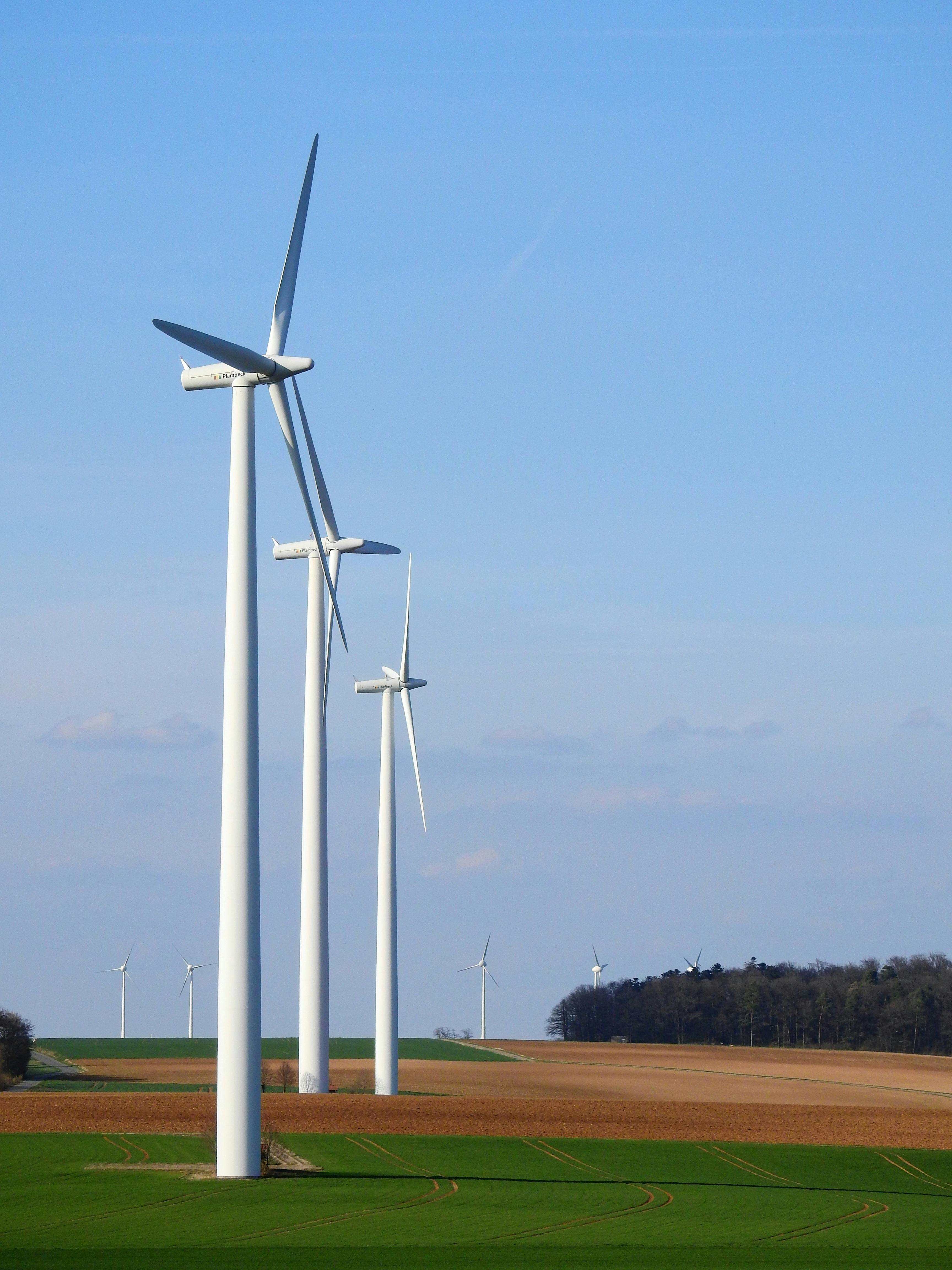
An energy hub functions as a local energy network where different energy sources come together. Think of solar energy from commercial buildings, wind energy, or battery systems. The generated energy is managed centrally, often using a smart energy management system. Companies that need energy at that moment can draw it directly from the hub, while surplus energy is temporarily stored or fed back into the grid. This balances electricity consumption across connected parties, without placing unnecessary strain on the electricity grid.
In addition, the energy hub provides insight into the consumption of all participants. Based on that, companies can organize their processes more efficiently and respond to peaks or dips in supply and demand. This is especially crucial for an energy hub on a business park: energy use there changes constantly and can be managed much more sustainably and cost-effectively with smart control.
The benefits of an energy hub for entrepreneurs
Using energy collectively through an energy hub delivers clear benefits for entrepreneurs. Significant gains can be achieved in terms of cost, sustainability, and reliability:
Lower energy costs: Sharing energy among participants reduces dependence on the public grid.
Smart energy storage: Energy is not wasted, but stored for later use.
More control and insight: Real-time data provides control over consumption and costs.
Future readiness: Energy hubs contribute to CO₂-neutral operations.
Relief for the electricity grid: Essential in areas with grid congestion.
An additional benefit is the option to apply for subsidies or take part in municipal sustainability projects, which increasingly focus on setting up shared energy infrastructure.
Energy hub on business parks as a solution to grid congestion
On business parks, the energy network is often overloaded. New connections face long waiting times or capacity limits. An energy hub on a business park can provide a solution. By generating energy locally, sharing it internally, and storing it intelligently, a more self-sufficient system is created that places less pressure on the public grid. This enables expansion or electrification of processes without delay.
It also becomes easier to connect new technologies such as electric trucks, heat pumps, or production lines to sustainable energy. In some cases, a battery container is also used, serving as central storage for surplus energy and helping to balance demand.
Is an energy hub suitable for every business park?
Although the benefits are clear, an energy hub is not automatically and immediately applicable to every business park. Key factors include companies’ willingness to cooperate, the presence of sustainable generation capacity, and available space for storage solutions. Even so, there are increasing success stories in the Netherlands showing that cooperation pays off – for both large industrial areas and smaller clusters of SMEs.
In addition, there are specialized parties and consultancies that help set up an energy hub on a business park. They provide technical feasibility studies, support subsidy applications, and design the system so that it remains scalable for the future.
The role of policy and legislation in energy hubs
Municipal, provincial, and national authorities encourage the development of energy hubs, especially in areas where grid congestion is imminent. Various subsidies and schemes are available, such as SDE++ or investment subsidies for battery storage. Governments are also working on a more favorable fiscal climate for collective energy initiatives.
An important point of attention is the legal framework: who is responsible for the network, who manages the data, and how are costs shared fairly? These matters must be clearly defined in advance in cooperation agreements or cooperative models.
Frequently asked questions about energy hubs
What is the difference between an energy hub and a microgrid?
A microgrid is often a small-scale, autonomous network, while an energy hub is specifically aimed at cooperation between multiple companies or buildings within one area.
Can I participate in an energy hub on a business park as a small company?
Yes, absolutely. By combining efforts with other companies, you can benefit from economies of scale.
Is generating sustainable energy mandatory to participate?
No, but it does make participation more attractive. Companies with solar panels or other generation capacity can use their surplus more efficiently within the hub.
Who manages an energy hub?
This varies by project. Sometimes it is an external party; in other cases, it is organized through a cooperative of participating companies.
How much does participation in an energy hub cost?
Costs depend on the infrastructure, the number of participants, and the selected technologies. Subsidies are often available to cover a large part of the investment.
What if I need more electricity than is available in the hub?
Then the difference is still supplied through the regular electricity grid, but the need for that is often significantly lower.

Contact details
Joep Koolen
CCO
The term energy hub is appearing more and more often in discussions about the future of energy on business parks. But what exactly is it, and why is it so relevant? An energy hub – also called an energy hub or energie hub – is a smart solution in which multiple companies work together to distribute, store, and use locally generated energy. Instead of each company operating separately in energy matters, a shared infrastructure is set up to absorb peak loads and deploy sustainable energy more efficiently. This approach is particularly attractive on business parks, where many companies are concentrated and grid capacity is under pressure. The benefits are both economic and ecological: lower energy costs, a more stable energy supply, and a faster transition to sustainable operations.
How does an energy hub work exactly?
An energy hub functions as a local energy network where different energy sources come together. Think of solar energy from commercial buildings, wind energy, or battery systems. The generated energy is managed centrally, often using a smart energy management system. Companies that need energy at that moment can draw it directly from the hub, while surplus energy is temporarily stored or fed back into the grid. This balances electricity consumption across connected parties, without placing unnecessary strain on the electricity grid.
In addition, the energy hub provides insight into the consumption of all participants. Based on that, companies can organize their processes more efficiently and respond to peaks or dips in supply and demand. This is especially crucial for an energy hub on a business park: energy use there changes constantly and can be managed much more sustainably and cost-effectively with smart control.
The benefits of an energy hub for entrepreneurs
Using energy collectively through an energy hub delivers clear benefits for entrepreneurs. Significant gains can be achieved in terms of cost, sustainability, and reliability:
Lower energy costs: Sharing energy among participants reduces dependence on the public grid.
Smart energy storage: Energy is not wasted, but stored for later use.
More control and insight: Real-time data provides control over consumption and costs.
Future readiness: Energy hubs contribute to CO₂-neutral operations.
Relief for the electricity grid: Essential in areas with grid congestion.
An additional benefit is the option to apply for subsidies or take part in municipal sustainability projects, which increasingly focus on setting up shared energy infrastructure.
Energy hub on business parks as a solution to grid congestion
On business parks, the energy network is often overloaded. New connections face long waiting times or capacity limits. An energy hub on a business park can provide a solution. By generating energy locally, sharing it internally, and storing it intelligently, a more self-sufficient system is created that places less pressure on the public grid. This enables expansion or electrification of processes without delay.
It also becomes easier to connect new technologies such as electric trucks, heat pumps, or production lines to sustainable energy. In some cases, a battery container is also used, serving as central storage for surplus energy and helping to balance demand.
Is an energy hub suitable for every business park?
Although the benefits are clear, an energy hub is not automatically and immediately applicable to every business park. Key factors include companies’ willingness to cooperate, the presence of sustainable generation capacity, and available space for storage solutions. Even so, there are increasing success stories in the Netherlands showing that cooperation pays off – for both large industrial areas and smaller clusters of SMEs.
In addition, there are specialized parties and consultancies that help set up an energy hub on a business park. They provide technical feasibility studies, support subsidy applications, and design the system so that it remains scalable for the future.
The role of policy and legislation in energy hubs
Municipal, provincial, and national authorities encourage the development of energy hubs, especially in areas where grid congestion is imminent. Various subsidies and schemes are available, such as SDE++ or investment subsidies for battery storage. Governments are also working on a more favorable fiscal climate for collective energy initiatives.
An important point of attention is the legal framework: who is responsible for the network, who manages the data, and how are costs shared fairly? These matters must be clearly defined in advance in cooperation agreements or cooperative models.
Frequently asked questions about energy hubs
What is the difference between an energy hub and a microgrid?
A microgrid is often a small-scale, autonomous network, while an energy hub is specifically aimed at cooperation between multiple companies or buildings within one area.
Can I participate in an energy hub on a business park as a small company?
Yes, absolutely. By combining efforts with other companies, you can benefit from economies of scale.
Is generating sustainable energy mandatory to participate?
No, but it does make participation more attractive. Companies with solar panels or other generation capacity can use their surplus more efficiently within the hub.
Who manages an energy hub?
This varies by project. Sometimes it is an external party; in other cases, it is organized through a cooperative of participating companies.
How much does participation in an energy hub cost?
Costs depend on the infrastructure, the number of participants, and the selected technologies. Subsidies are often available to cover a large part of the investment.
What if I need more electricity than is available in the hub?
Then the difference is still supplied through the regular electricity grid, but the need for that is often significantly lower.
Contact details
Joep Koolen
CCO
The term energy hub is appearing more and more often in discussions about the future of energy on business parks. But what exactly is it, and why is it so relevant? An energy hub – also called an energy hub or energie hub – is a smart solution in which multiple companies work together to distribute, store, and use locally generated energy. Instead of each company operating separately in energy matters, a shared infrastructure is set up to absorb peak loads and deploy sustainable energy more efficiently. This approach is particularly attractive on business parks, where many companies are concentrated and grid capacity is under pressure. The benefits are both economic and ecological: lower energy costs, a more stable energy supply, and a faster transition to sustainable operations.
How does an energy hub work exactly?
An energy hub functions as a local energy network where different energy sources come together. Think of solar energy from commercial buildings, wind energy, or battery systems. The generated energy is managed centrally, often using a smart energy management system. Companies that need energy at that moment can draw it directly from the hub, while surplus energy is temporarily stored or fed back into the grid. This balances electricity consumption across connected parties, without placing unnecessary strain on the electricity grid.
In addition, the energy hub provides insight into the consumption of all participants. Based on that, companies can organize their processes more efficiently and respond to peaks or dips in supply and demand. This is especially crucial for an energy hub on a business park: energy use there changes constantly and can be managed much more sustainably and cost-effectively with smart control.
The benefits of an energy hub for entrepreneurs
Using energy collectively through an energy hub delivers clear benefits for entrepreneurs. Significant gains can be achieved in terms of cost, sustainability, and reliability:
Lower energy costs: Sharing energy among participants reduces dependence on the public grid.
Smart energy storage: Energy is not wasted, but stored for later use.
More control and insight: Real-time data provides control over consumption and costs.
Future readiness: Energy hubs contribute to CO₂-neutral operations.
Relief for the electricity grid: Essential in areas with grid congestion.
An additional benefit is the option to apply for subsidies or take part in municipal sustainability projects, which increasingly focus on setting up shared energy infrastructure.
Energy hub on business parks as a solution to grid congestion
On business parks, the energy network is often overloaded. New connections face long waiting times or capacity limits. An energy hub on a business park can provide a solution. By generating energy locally, sharing it internally, and storing it intelligently, a more self-sufficient system is created that places less pressure on the public grid. This enables expansion or electrification of processes without delay.
It also becomes easier to connect new technologies such as electric trucks, heat pumps, or production lines to sustainable energy. In some cases, a battery container is also used, serving as central storage for surplus energy and helping to balance demand.
Is an energy hub suitable for every business park?
Although the benefits are clear, an energy hub is not automatically and immediately applicable to every business park. Key factors include companies’ willingness to cooperate, the presence of sustainable generation capacity, and available space for storage solutions. Even so, there are increasing success stories in the Netherlands showing that cooperation pays off – for both large industrial areas and smaller clusters of SMEs.
In addition, there are specialized parties and consultancies that help set up an energy hub on a business park. They provide technical feasibility studies, support subsidy applications, and design the system so that it remains scalable for the future.
The role of policy and legislation in energy hubs
Municipal, provincial, and national authorities encourage the development of energy hubs, especially in areas where grid congestion is imminent. Various subsidies and schemes are available, such as SDE++ or investment subsidies for battery storage. Governments are also working on a more favorable fiscal climate for collective energy initiatives.
An important point of attention is the legal framework: who is responsible for the network, who manages the data, and how are costs shared fairly? These matters must be clearly defined in advance in cooperation agreements or cooperative models.
Frequently asked questions about energy hubs
What is the difference between an energy hub and a microgrid?
A microgrid is often a small-scale, autonomous network, while an energy hub is specifically aimed at cooperation between multiple companies or buildings within one area.
Can I participate in an energy hub on a business park as a small company?
Yes, absolutely. By combining efforts with other companies, you can benefit from economies of scale.
Is generating sustainable energy mandatory to participate?
No, but it does make participation more attractive. Companies with solar panels or other generation capacity can use their surplus more efficiently within the hub.
Who manages an energy hub?
This varies by project. Sometimes it is an external party; in other cases, it is organized through a cooperative of participating companies.
How much does participation in an energy hub cost?
Costs depend on the infrastructure, the number of participants, and the selected technologies. Subsidies are often available to cover a large part of the investment.
What if I need more electricity than is available in the hub?
Then the difference is still supplied through the regular electricity grid, but the need for that is often significantly lower.
Contact details
Joep Koolen
CCO
The term energy hub is appearing more and more often in discussions about the future of energy on business parks. But what exactly is it, and why is it so relevant? An energy hub – also called an energy hub or energie hub – is a smart solution in which multiple companies work together to distribute, store, and use locally generated energy. Instead of each company operating separately in energy matters, a shared infrastructure is set up to absorb peak loads and deploy sustainable energy more efficiently. This approach is particularly attractive on business parks, where many companies are concentrated and grid capacity is under pressure. The benefits are both economic and ecological: lower energy costs, a more stable energy supply, and a faster transition to sustainable operations.
How does an energy hub work exactly?
An energy hub functions as a local energy network where different energy sources come together. Think of solar energy from commercial buildings, wind energy, or battery systems. The generated energy is managed centrally, often using a smart energy management system. Companies that need energy at that moment can draw it directly from the hub, while surplus energy is temporarily stored or fed back into the grid. This balances electricity consumption across connected parties, without placing unnecessary strain on the electricity grid.
In addition, the energy hub provides insight into the consumption of all participants. Based on that, companies can organize their processes more efficiently and respond to peaks or dips in supply and demand. This is especially crucial for an energy hub on a business park: energy use there changes constantly and can be managed much more sustainably and cost-effectively with smart control.
The benefits of an energy hub for entrepreneurs
Using energy collectively through an energy hub delivers clear benefits for entrepreneurs. Significant gains can be achieved in terms of cost, sustainability, and reliability:
Lower energy costs: Sharing energy among participants reduces dependence on the public grid.
Smart energy storage: Energy is not wasted, but stored for later use.
More control and insight: Real-time data provides control over consumption and costs.
Future readiness: Energy hubs contribute to CO₂-neutral operations.
Relief for the electricity grid: Essential in areas with grid congestion.
An additional benefit is the option to apply for subsidies or take part in municipal sustainability projects, which increasingly focus on setting up shared energy infrastructure.
Energy hub on business parks as a solution to grid congestion
On business parks, the energy network is often overloaded. New connections face long waiting times or capacity limits. An energy hub on a business park can provide a solution. By generating energy locally, sharing it internally, and storing it intelligently, a more self-sufficient system is created that places less pressure on the public grid. This enables expansion or electrification of processes without delay.
It also becomes easier to connect new technologies such as electric trucks, heat pumps, or production lines to sustainable energy. In some cases, a battery container is also used, serving as central storage for surplus energy and helping to balance demand.
Is an energy hub suitable for every business park?
Although the benefits are clear, an energy hub is not automatically and immediately applicable to every business park. Key factors include companies’ willingness to cooperate, the presence of sustainable generation capacity, and available space for storage solutions. Even so, there are increasing success stories in the Netherlands showing that cooperation pays off – for both large industrial areas and smaller clusters of SMEs.
In addition, there are specialized parties and consultancies that help set up an energy hub on a business park. They provide technical feasibility studies, support subsidy applications, and design the system so that it remains scalable for the future.
The role of policy and legislation in energy hubs
Municipal, provincial, and national authorities encourage the development of energy hubs, especially in areas where grid congestion is imminent. Various subsidies and schemes are available, such as SDE++ or investment subsidies for battery storage. Governments are also working on a more favorable fiscal climate for collective energy initiatives.
An important point of attention is the legal framework: who is responsible for the network, who manages the data, and how are costs shared fairly? These matters must be clearly defined in advance in cooperation agreements or cooperative models.
Frequently asked questions about energy hubs
What is the difference between an energy hub and a microgrid?
A microgrid is often a small-scale, autonomous network, while an energy hub is specifically aimed at cooperation between multiple companies or buildings within one area.
Can I participate in an energy hub on a business park as a small company?
Yes, absolutely. By combining efforts with other companies, you can benefit from economies of scale.
Is generating sustainable energy mandatory to participate?
No, but it does make participation more attractive. Companies with solar panels or other generation capacity can use their surplus more efficiently within the hub.
Who manages an energy hub?
This varies by project. Sometimes it is an external party; in other cases, it is organized through a cooperative of participating companies.
How much does participation in an energy hub cost?
Costs depend on the infrastructure, the number of participants, and the selected technologies. Subsidies are often available to cover a large part of the investment.
What if I need more electricity than is available in the hub?
Then the difference is still supplied through the regular electricity grid, but the need for that is often significantly lower.
Contact details
Joep Koolen
CCO
and scalable battery storage
Customer service
Solutions
Subscribe to our newsletter to stay informed.
By signing up, you agree to the privacy statement and the general terms and conditions of ChargeBlock B.V. You can unsubscribe at any time.
Rated
4.8/5.0
Developed
in the Netherlands

and scalable battery storage
Customer service
Solutions
Subscribe to our newsletter to stay informed.
By signing up, you agree to the privacy statement and the general terms and conditions of ChargeBlock B.V. You can unsubscribe at any time.
Rated
4.8/5.0
Developed
in the Netherlands
and scalable battery storage
Customer service
Solutions
Subscribe to our newsletter to stay informed.
By signing up, you agree to the privacy statement and the general terms and conditions of ChargeBlock B.V. You can unsubscribe at any time.
Rated
4.8/5.0
Developed
in the Netherlands