Battery containers for agriculture: seasonal storage of solar energy
Battery containers allow farmers to store solar energy and utilize it later, exactly when required.
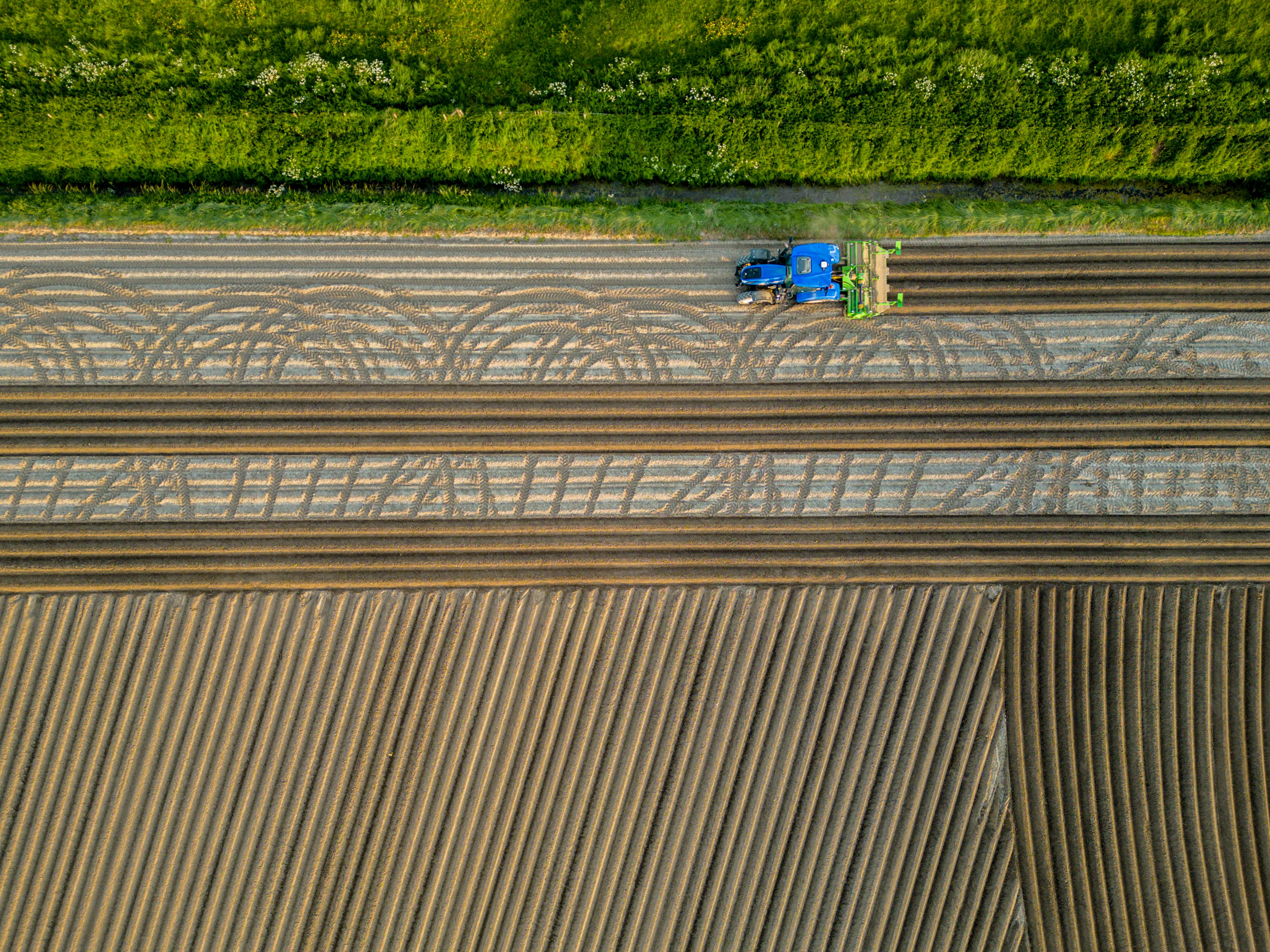
Battery containers for agriculture: seasonal storage of solar energy
Battery containers allow farmers to store solar energy and utilize it later, exactly when required.
Battery containers for agriculture: seasonal storage of solar energy
Battery containers allow farmers to store solar energy and utilize it later, exactly when required.

The agricultural sector faces a major challenge: becoming more sustainable without compromising business continuity. Energy plays a key role in this. More and more farmers are investing in solar panels, but what happens to the generated electricity when it is not used immediately? This is where the battery container comes into view.
A battery container makes it possible to store solar energy generated in summer for later use. This is particularly valuable in agriculture, where energy consumption fluctuates strongly by season—think irrigation in summer, barn ventilation in winter, or electric equipment in spring. In this blog, we explain how a battery container contributes to sustainable farming, how to deploy it on your farmyard or land, and what the advantages are compared with traditional energy solutions.
Why is energy storage so relevant for farmers?
Farmers are increasingly generating their own energy through solar panels or wind turbines. But this often happens at times when relatively little energy is being consumed. Think of sunny summer days, while most installations only run at full capacity in winter. Without storage, a large share of that generated electricity is lost or fed back to the grid at low rates.
A battery container prevents this loss. Surplus energy is stored and can be used later at any desired moment. This is ideal for farms that:
Use electric irrigation
Use mobile cooling or freezing installations
Work with electric equipment or tractors
Want to reduce peak consumption during expensive energy tariffs
Want to be able to operate off-grid during grid issues
By making smart use of seasonal storage with a battery container, solar energy becomes truly cost-effective.
How does a battery container work on a farm?
A battery container is a movable energy storage unit with lithium-ion batteries. It is connected to the existing solar installation on the farmyard or in a field and can independently buffer and deliver electricity. During periods of high generation, it stores energy, and during peak consumption moments, it supplies that energy again—fully automatically.
In addition, many containers are equipped with smart monitoring software, allowing you to view storage level, charging status, and consumption in real time via an app or web interface. This allows agricultural entrepreneurs to manage efficiency easily.
Typical applications on agricultural businesses:
Charging electric tractors or quads
Night-time power supply in barns without grid load
Energy supply on remote plots (off-grid)
Peak shaving during milking robot sessions or cooling
What are the advantages of energy storage in agriculture?
Using a battery container on an agricultural business offers a broad range of advantages—economic, ecological, and operational.
Some direct advantages are:
Less dependent on the energy grid: No concerns about grid congestion or feed-in limitations.
Lower energy costs: Use stored electricity during expensive hours or with dynamic tariffs.
More return from solar panels: Less feed-in, more self-consumption.
Sustainable image: Important for subsidies and quality labels such as PlanetProof or Beter Leven.
Flexibility: Also deployable on remote plots without a grid connection.
This lets you, as a farmer, make smart use of your own generation capacity and comply with future regulations.
Are battery containers suitable for off-grid applications?
Certainly. Agriculture in particular has many situations where no grid connection is available. Think of temporary installations on fields, remote feed dispensers, or irrigation systems in the open field.
A battery container offers an ideal solution here. By combining it with a mobile solar installation, you can realize an off-grid energy supply without a diesel generator. In addition, the system is whisper-quiet and emission-free, which is also beneficial for animals and the surrounding area.
For larger businesses, it is also possible to connect multiple containers in parallel, allowing you to run complete business processes autonomously—even during prolonged grid outages or in areas where expanding the connection is not possible.
What does this mean for sustainable and future-proof farming?
Dutch agriculture must become more sustainable at high speed. Battery containers align seamlessly with this development. They make it possible to keep operating independently, reduce costs, and lower the CO₂ footprint without compromising efficiency or operational reliability.
By investing in a battery container, you prepare your business for:
The energy transition
Smart grid integration and demand response
Self-sufficient agriculture
CO₂ reduction within ESG goals
In short: a practical and strategic step toward future-proof farming.
Frequently asked questions about battery containers in agriculture
How much electricity can I store in a battery container?
That depends on the model, but common agricultural variants store between 100 and 500 kWh.
Can I also use a small container for one application?
Yes, there are compact models for, for example, a single barn or pump installation.
Are subsidies available?
Yes, through programs such as SDE++, EIA, and POP3, agricultural entrepreneurs can apply for subsidies.
Can a battery container be used as a mobile solution?
Certainly, many models can be moved with a forklift or tractor.
How maintenance-sensitive is a battery container?
Minimal. Annual inspection is sufficient, and many systems monitor themselves.
How long does a battery container last?
On average 10 to 15 years under normal use, depending on charge cycles.
Can battery containers withstand rain, dust, and temperature fluctuations?
Yes, they are designed for outdoor use on farms and in the field.

Contact details
Joep Koolen
CCO
The agricultural sector faces a major challenge: becoming more sustainable without compromising business continuity. Energy plays a key role in this. More and more farmers are investing in solar panels, but what happens to the generated electricity when it is not used immediately? This is where the battery container comes into view.
A battery container makes it possible to store solar energy generated in summer for later use. This is particularly valuable in agriculture, where energy consumption fluctuates strongly by season—think irrigation in summer, barn ventilation in winter, or electric equipment in spring. In this blog, we explain how a battery container contributes to sustainable farming, how to deploy it on your farmyard or land, and what the advantages are compared with traditional energy solutions.
Why is energy storage so relevant for farmers?
Farmers are increasingly generating their own energy through solar panels or wind turbines. But this often happens at times when relatively little energy is being consumed. Think of sunny summer days, while most installations only run at full capacity in winter. Without storage, a large share of that generated electricity is lost or fed back to the grid at low rates.
A battery container prevents this loss. Surplus energy is stored and can be used later at any desired moment. This is ideal for farms that:
Use electric irrigation
Use mobile cooling or freezing installations
Work with electric equipment or tractors
Want to reduce peak consumption during expensive energy tariffs
Want to be able to operate off-grid during grid issues
By making smart use of seasonal storage with a battery container, solar energy becomes truly cost-effective.
How does a battery container work on a farm?
A battery container is a movable energy storage unit with lithium-ion batteries. It is connected to the existing solar installation on the farmyard or in a field and can independently buffer and deliver electricity. During periods of high generation, it stores energy, and during peak consumption moments, it supplies that energy again—fully automatically.
In addition, many containers are equipped with smart monitoring software, allowing you to view storage level, charging status, and consumption in real time via an app or web interface. This allows agricultural entrepreneurs to manage efficiency easily.
Typical applications on agricultural businesses:
Charging electric tractors or quads
Night-time power supply in barns without grid load
Energy supply on remote plots (off-grid)
Peak shaving during milking robot sessions or cooling
What are the advantages of energy storage in agriculture?
Using a battery container on an agricultural business offers a broad range of advantages—economic, ecological, and operational.
Some direct advantages are:
Less dependent on the energy grid: No concerns about grid congestion or feed-in limitations.
Lower energy costs: Use stored electricity during expensive hours or with dynamic tariffs.
More return from solar panels: Less feed-in, more self-consumption.
Sustainable image: Important for subsidies and quality labels such as PlanetProof or Beter Leven.
Flexibility: Also deployable on remote plots without a grid connection.
This lets you, as a farmer, make smart use of your own generation capacity and comply with future regulations.
Are battery containers suitable for off-grid applications?
Certainly. Agriculture in particular has many situations where no grid connection is available. Think of temporary installations on fields, remote feed dispensers, or irrigation systems in the open field.
A battery container offers an ideal solution here. By combining it with a mobile solar installation, you can realize an off-grid energy supply without a diesel generator. In addition, the system is whisper-quiet and emission-free, which is also beneficial for animals and the surrounding area.
For larger businesses, it is also possible to connect multiple containers in parallel, allowing you to run complete business processes autonomously—even during prolonged grid outages or in areas where expanding the connection is not possible.
What does this mean for sustainable and future-proof farming?
Dutch agriculture must become more sustainable at high speed. Battery containers align seamlessly with this development. They make it possible to keep operating independently, reduce costs, and lower the CO₂ footprint without compromising efficiency or operational reliability.
By investing in a battery container, you prepare your business for:
The energy transition
Smart grid integration and demand response
Self-sufficient agriculture
CO₂ reduction within ESG goals
In short: a practical and strategic step toward future-proof farming.
Frequently asked questions about battery containers in agriculture
How much electricity can I store in a battery container?
That depends on the model, but common agricultural variants store between 100 and 500 kWh.
Can I also use a small container for one application?
Yes, there are compact models for, for example, a single barn or pump installation.
Are subsidies available?
Yes, through programs such as SDE++, EIA, and POP3, agricultural entrepreneurs can apply for subsidies.
Can a battery container be used as a mobile solution?
Certainly, many models can be moved with a forklift or tractor.
How maintenance-sensitive is a battery container?
Minimal. Annual inspection is sufficient, and many systems monitor themselves.
How long does a battery container last?
On average 10 to 15 years under normal use, depending on charge cycles.
Can battery containers withstand rain, dust, and temperature fluctuations?
Yes, they are designed for outdoor use on farms and in the field.
Contact details
Joep Koolen
CCO
The agricultural sector faces a major challenge: becoming more sustainable without compromising business continuity. Energy plays a key role in this. More and more farmers are investing in solar panels, but what happens to the generated electricity when it is not used immediately? This is where the battery container comes into view.
A battery container makes it possible to store solar energy generated in summer for later use. This is particularly valuable in agriculture, where energy consumption fluctuates strongly by season—think irrigation in summer, barn ventilation in winter, or electric equipment in spring. In this blog, we explain how a battery container contributes to sustainable farming, how to deploy it on your farmyard or land, and what the advantages are compared with traditional energy solutions.
Why is energy storage so relevant for farmers?
Farmers are increasingly generating their own energy through solar panels or wind turbines. But this often happens at times when relatively little energy is being consumed. Think of sunny summer days, while most installations only run at full capacity in winter. Without storage, a large share of that generated electricity is lost or fed back to the grid at low rates.
A battery container prevents this loss. Surplus energy is stored and can be used later at any desired moment. This is ideal for farms that:
Use electric irrigation
Use mobile cooling or freezing installations
Work with electric equipment or tractors
Want to reduce peak consumption during expensive energy tariffs
Want to be able to operate off-grid during grid issues
By making smart use of seasonal storage with a battery container, solar energy becomes truly cost-effective.
How does a battery container work on a farm?
A battery container is a movable energy storage unit with lithium-ion batteries. It is connected to the existing solar installation on the farmyard or in a field and can independently buffer and deliver electricity. During periods of high generation, it stores energy, and during peak consumption moments, it supplies that energy again—fully automatically.
In addition, many containers are equipped with smart monitoring software, allowing you to view storage level, charging status, and consumption in real time via an app or web interface. This allows agricultural entrepreneurs to manage efficiency easily.
Typical applications on agricultural businesses:
Charging electric tractors or quads
Night-time power supply in barns without grid load
Energy supply on remote plots (off-grid)
Peak shaving during milking robot sessions or cooling
What are the advantages of energy storage in agriculture?
Using a battery container on an agricultural business offers a broad range of advantages—economic, ecological, and operational.
Some direct advantages are:
Less dependent on the energy grid: No concerns about grid congestion or feed-in limitations.
Lower energy costs: Use stored electricity during expensive hours or with dynamic tariffs.
More return from solar panels: Less feed-in, more self-consumption.
Sustainable image: Important for subsidies and quality labels such as PlanetProof or Beter Leven.
Flexibility: Also deployable on remote plots without a grid connection.
This lets you, as a farmer, make smart use of your own generation capacity and comply with future regulations.
Are battery containers suitable for off-grid applications?
Certainly. Agriculture in particular has many situations where no grid connection is available. Think of temporary installations on fields, remote feed dispensers, or irrigation systems in the open field.
A battery container offers an ideal solution here. By combining it with a mobile solar installation, you can realize an off-grid energy supply without a diesel generator. In addition, the system is whisper-quiet and emission-free, which is also beneficial for animals and the surrounding area.
For larger businesses, it is also possible to connect multiple containers in parallel, allowing you to run complete business processes autonomously—even during prolonged grid outages or in areas where expanding the connection is not possible.
What does this mean for sustainable and future-proof farming?
Dutch agriculture must become more sustainable at high speed. Battery containers align seamlessly with this development. They make it possible to keep operating independently, reduce costs, and lower the CO₂ footprint without compromising efficiency or operational reliability.
By investing in a battery container, you prepare your business for:
The energy transition
Smart grid integration and demand response
Self-sufficient agriculture
CO₂ reduction within ESG goals
In short: a practical and strategic step toward future-proof farming.
Frequently asked questions about battery containers in agriculture
How much electricity can I store in a battery container?
That depends on the model, but common agricultural variants store between 100 and 500 kWh.
Can I also use a small container for one application?
Yes, there are compact models for, for example, a single barn or pump installation.
Are subsidies available?
Yes, through programs such as SDE++, EIA, and POP3, agricultural entrepreneurs can apply for subsidies.
Can a battery container be used as a mobile solution?
Certainly, many models can be moved with a forklift or tractor.
How maintenance-sensitive is a battery container?
Minimal. Annual inspection is sufficient, and many systems monitor themselves.
How long does a battery container last?
On average 10 to 15 years under normal use, depending on charge cycles.
Can battery containers withstand rain, dust, and temperature fluctuations?
Yes, they are designed for outdoor use on farms and in the field.
Contact details
Joep Koolen
CCO
The agricultural sector faces a major challenge: becoming more sustainable without compromising business continuity. Energy plays a key role in this. More and more farmers are investing in solar panels, but what happens to the generated electricity when it is not used immediately? This is where the battery container comes into view.
A battery container makes it possible to store solar energy generated in summer for later use. This is particularly valuable in agriculture, where energy consumption fluctuates strongly by season—think irrigation in summer, barn ventilation in winter, or electric equipment in spring. In this blog, we explain how a battery container contributes to sustainable farming, how to deploy it on your farmyard or land, and what the advantages are compared with traditional energy solutions.
Why is energy storage so relevant for farmers?
Farmers are increasingly generating their own energy through solar panels or wind turbines. But this often happens at times when relatively little energy is being consumed. Think of sunny summer days, while most installations only run at full capacity in winter. Without storage, a large share of that generated electricity is lost or fed back to the grid at low rates.
A battery container prevents this loss. Surplus energy is stored and can be used later at any desired moment. This is ideal for farms that:
Use electric irrigation
Use mobile cooling or freezing installations
Work with electric equipment or tractors
Want to reduce peak consumption during expensive energy tariffs
Want to be able to operate off-grid during grid issues
By making smart use of seasonal storage with a battery container, solar energy becomes truly cost-effective.
How does a battery container work on a farm?
A battery container is a movable energy storage unit with lithium-ion batteries. It is connected to the existing solar installation on the farmyard or in a field and can independently buffer and deliver electricity. During periods of high generation, it stores energy, and during peak consumption moments, it supplies that energy again—fully automatically.
In addition, many containers are equipped with smart monitoring software, allowing you to view storage level, charging status, and consumption in real time via an app or web interface. This allows agricultural entrepreneurs to manage efficiency easily.
Typical applications on agricultural businesses:
Charging electric tractors or quads
Night-time power supply in barns without grid load
Energy supply on remote plots (off-grid)
Peak shaving during milking robot sessions or cooling
What are the advantages of energy storage in agriculture?
Using a battery container on an agricultural business offers a broad range of advantages—economic, ecological, and operational.
Some direct advantages are:
Less dependent on the energy grid: No concerns about grid congestion or feed-in limitations.
Lower energy costs: Use stored electricity during expensive hours or with dynamic tariffs.
More return from solar panels: Less feed-in, more self-consumption.
Sustainable image: Important for subsidies and quality labels such as PlanetProof or Beter Leven.
Flexibility: Also deployable on remote plots without a grid connection.
This lets you, as a farmer, make smart use of your own generation capacity and comply with future regulations.
Are battery containers suitable for off-grid applications?
Certainly. Agriculture in particular has many situations where no grid connection is available. Think of temporary installations on fields, remote feed dispensers, or irrigation systems in the open field.
A battery container offers an ideal solution here. By combining it with a mobile solar installation, you can realize an off-grid energy supply without a diesel generator. In addition, the system is whisper-quiet and emission-free, which is also beneficial for animals and the surrounding area.
For larger businesses, it is also possible to connect multiple containers in parallel, allowing you to run complete business processes autonomously—even during prolonged grid outages or in areas where expanding the connection is not possible.
What does this mean for sustainable and future-proof farming?
Dutch agriculture must become more sustainable at high speed. Battery containers align seamlessly with this development. They make it possible to keep operating independently, reduce costs, and lower the CO₂ footprint without compromising efficiency or operational reliability.
By investing in a battery container, you prepare your business for:
The energy transition
Smart grid integration and demand response
Self-sufficient agriculture
CO₂ reduction within ESG goals
In short: a practical and strategic step toward future-proof farming.
Frequently asked questions about battery containers in agriculture
How much electricity can I store in a battery container?
That depends on the model, but common agricultural variants store between 100 and 500 kWh.
Can I also use a small container for one application?
Yes, there are compact models for, for example, a single barn or pump installation.
Are subsidies available?
Yes, through programs such as SDE++, EIA, and POP3, agricultural entrepreneurs can apply for subsidies.
Can a battery container be used as a mobile solution?
Certainly, many models can be moved with a forklift or tractor.
How maintenance-sensitive is a battery container?
Minimal. Annual inspection is sufficient, and many systems monitor themselves.
How long does a battery container last?
On average 10 to 15 years under normal use, depending on charge cycles.
Can battery containers withstand rain, dust, and temperature fluctuations?
Yes, they are designed for outdoor use on farms and in the field.
Contact details
Joep Koolen
CCO
and scalable battery storage
Customer service
Solutions
Subscribe to our newsletter to stay informed.
By signing up, you agree to the privacy statement and the general terms and conditions of ChargeBlock B.V. You can unsubscribe at any time.
Rated
4.8/5.0

Developed
in the Netherlands

and scalable battery storage
Customer service
Solutions
Subscribe to our newsletter to stay informed.
By signing up, you agree to the privacy statement and the general terms and conditions of ChargeBlock B.V. You can unsubscribe at any time.
Rated
4.8/5.0
Developed
in the Netherlands
and scalable battery storage
Customer service
Solutions
Subscribe to our newsletter to stay informed.
By signing up, you agree to the privacy statement and the general terms and conditions of ChargeBlock B.V. You can unsubscribe at any time.
Rated
4.8/5.0
Developed
in the Netherlands