Peak shaving with a battery container: reducing peak loads and lowering energy costs
Every fifteen minutes, your grid operator measures the average power your company draws from the electricity grid. The highest fifteen-minute interval of the month determines your transmission costs, regardless of whether that peak occurs once or twenty times. This is known as the fifteen-minute value system, and it is the reason why peak demand is a significant cost factor for many companies.
A peak shaving system with a battery container shaves that peak. The battery charges during periods of low consumption and discharges power at the moment the peak is about to occur. The result: a lower maximum fifteen-minute value, lower transmission costs, and reduced load on your grid connection.
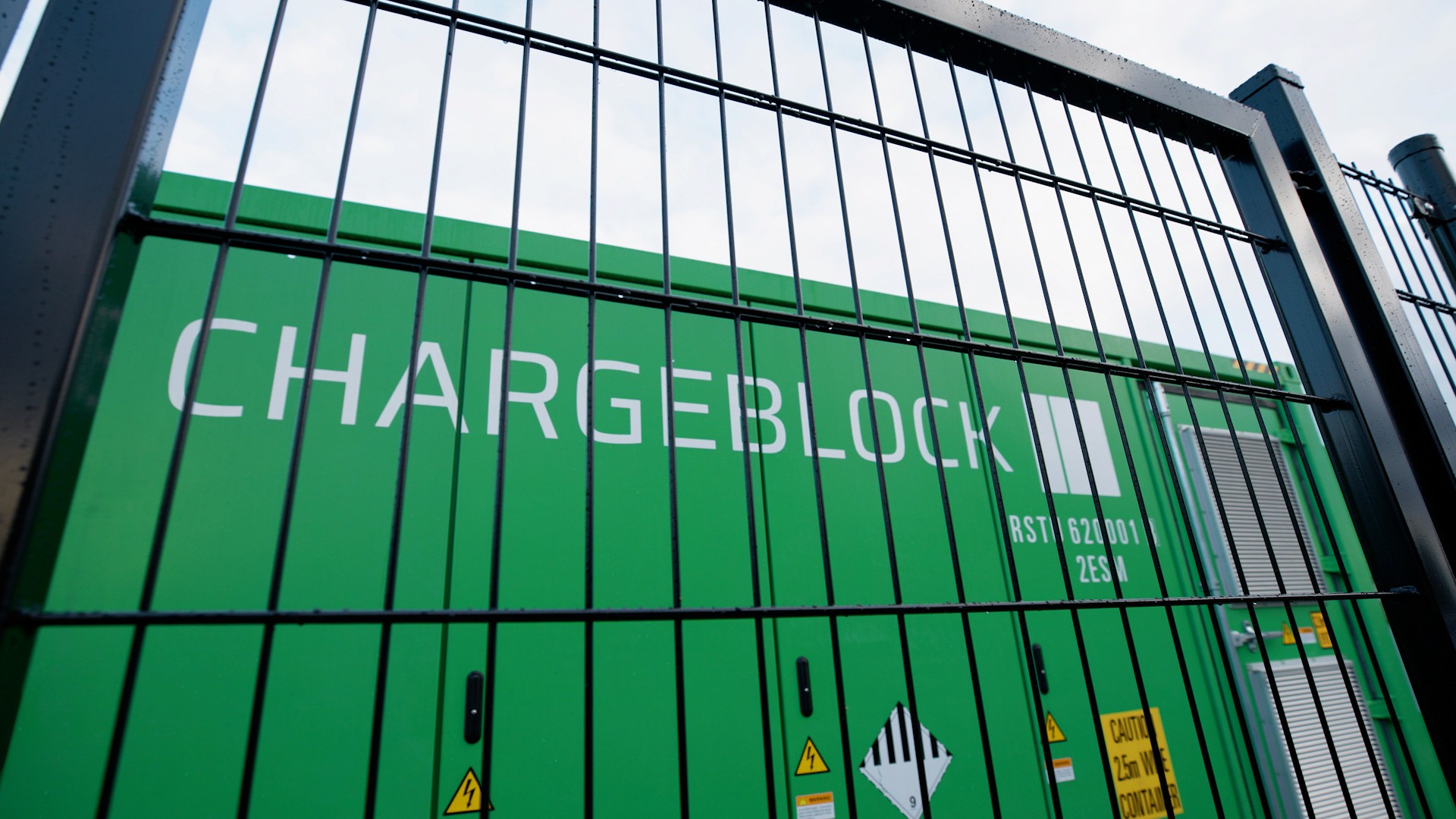
Peak shaving with a battery container: reducing peak loads and lowering energy costs
Every fifteen minutes, your grid operator measures the average power your company draws from the electricity grid. The highest fifteen-minute interval of the month determines your transmission costs, regardless of whether that peak occurs once or twenty times. This is known as the fifteen-minute value system, and it is the reason why peak demand is a significant cost factor for many companies.
A peak shaving system with a battery container shaves that peak. The battery charges during periods of low consumption and discharges power at the moment the peak is about to occur. The result: a lower maximum fifteen-minute value, lower transmission costs, and reduced load on your grid connection.
Peak shaving with a battery container: reducing peak loads and lowering energy costs
Every fifteen minutes, your grid operator measures the average power your company draws from the electricity grid. The highest fifteen-minute interval of the month determines your transmission costs, regardless of whether that peak occurs once or twenty times. This is known as the fifteen-minute value system, and it is the reason why peak demand is a significant cost factor for many companies.
A peak shaving system with a battery container shaves that peak. The battery charges during periods of low consumption and discharges power at the moment the peak is about to occur. The result: a lower maximum fifteen-minute value, lower transmission costs, and reduced load on your grid connection.

What is peak demand and why does it cost money?
Peak demand occurs when a company's electricity consumption increases sharply in a short period. Examples include the simultaneous start-up of heavy machinery, charging a fleet of electric vehicles, or the operation of HVAC systems during hot periods.
Grid operators charge transmission costs based on the highest measured 15-minute average of the month. Under this system, a single unexpected peak caused by a start-up procedure or a temporary load increase raises the transmission costs for the entire month.
Example: A manufacturing company has an average consumption of 150 kW, but briefly draws 380 kW when starting a production line. The grid operator registers 380 kW as the 15-minute peak value and calculates the transmission costs based on this peak capacity for the entire month.
Which industries are affected by peak demand costs?
Manufacturing plants and factories with heavy machinery
Logistics centers and warehouses with electric forklifts and automated guided vehicles (AGVs)
Cold storage facilities and food processing plants
Facilities with charging infrastructure for electric vehicles
Data centers and critical infrastructure
Agricultural enterprises with seasonal peak demands
What is peak shaving and how does it work?
Peak shaving is the active reduction of peak demand by buffering and discharging energy at the appropriate times. A peak shaving system consists of battery storage — in most B2B applications, a containerized battery system — combined with an Energy Management System (EMS).
The EMS continuously monitors real-time consumption and compares it against a set threshold. If consumption threatens to exceed this threshold, the system discharges the battery to compensate for the difference, keeping the grid connection below the peak limit.
Process flow of a peak shaving system
Monitoring — The EMS continuously tracks the active power consumption of the facility
Charging — The battery container charges during off-peak hours or when surplus solar energy is available
Supervising — The system compares actual consumption against the configured peak limit
Shaving — If consumption threatens to exceed the limit, the battery immediately supplies power
Registering — The grid operator measures a lower maximum 15-minute peak value
Reduction — A lower 15-minute value results in lower grid transmission costs on the monthly bill
Why use a containerized battery system for peak shaving?
In most industrial and commercial scenarios, a containerized battery system is the most practical solution for peak shaving. The primary reasons include:
Scalable capacity: Containerized batteries are modular and can be expanded to meet the required capacity
Fast response time: A battery system responds in milliseconds, faster than any alternative option
No grid upgrades required: The peak is managed internally without requiring a larger grid connection
Integration with solar energy: Surplus photovoltaic generation can be stored and used during peak hours
EMS integration: Standards-based connectivity to existing energy management systems is included
What is the financial yield of peak shaving?
The exact reduction depends on the current peak demand, the specific grid operator, and the applicable tariff structure. As an indication, companies with a grid connection larger than 3 x 80A and a distinct peak profile typical experience a 15% to 30% reduction in annual transmission costs after installing a peak shaving battery system.
The payback period for a peak shaving system typically ranges from 3 to 6 years, depending on the connection capacity and the discrepancy between average and maximum demand.
The difference between peak shaving and load shifting
While peak shaving and load shifting are often used interchangeably, they represent different strategies:
| Peak shaving | Load shifting |
|---|---|---|
Objective | Reduce peak capacity demand | Shift consumption to lower-cost periods |
Savings on | Grid transmission costs (15-minute peaks) | Energy consumption rates (day/night/spot prices) |
Applicability | High power fluctuations within daily operations | Variable energy tariffs or dynamic contracts |
Combination | Yes, both strategies can be deployed simultaneously | Yes, both strategies can be deployed simultaneously |
When is a peak shaving battery system viable for your business?
The viability of peak shaving depends on your specific consumption profile. A containerized battery system is highly relevant if:
Your grid connection exceeds 3 x 80A
There is a significant difference between your average and peak electricity demand
You face grid congestion limits or delays in expanding your grid connection
You generate onsite solar power and prefer to consume it rather than exporting it
You operate electric vehicle fleets, forklifts, or other equipment with concurrent charging profiles
Your production processes feature irregular but intense power spikes
If your consumption profile is more flat, load shifting or a smaller battery buffer may be more appropriate. A detailed energy analysis will determine the most viable approach for your specific facility.
Would you like to determine the viability of peak shaving for your facility? Review our containerized battery systems for commercial and industrial applications.
Frequently asked questions about peak shaving
What is the difference between peak demand and grid congestion?
Peak demand refers to the short-term high power consumption of your own facility. Grid congestion is a network-level issue: the grid is structurally overloaded due to excessive simultaneous consumption or feed-in within an area. A battery container addresses both challenges: it reduces your own peak demand and relieves pressure on the local grid.
Can an existing battery container also be used for peak shaving?
Yes, provided the system is equipped with an EMS that supports peak monitoring. Chargeblock systems are configured as standard for peak shaving applications. For existing installations without EMS integration, a retrofit is possible.
What is the required capacity for a peak shaving battery?
The required capacity depends on the magnitude and duration of your peaks. As a rule of thumb, the battery must be able to supply sufficient energy to cover the peak during the fifteen-minute window. An energy analysis of your consumption data is the most reliable method to determine the correct capacity.
What does a peak shaving system cost?
The investment varies significantly depending on the required power and desired storage capacity. ChargeBlock works with modular battery containers that are scalable to the specific situation. The payback period averages between 3 and 6 years for industrial applications.
Conclusion
Peak demand represents a significant but manageable operating expense. Grid charging mechanisms mean a single brief capacity spike determines the transmission charges for the entire month. A battery-based peak shaving system addresses this issue directly by absorbing the peak before it registers, thereby lowering the maximum 15-minute value and reducing monthly grid charges.
For operations with distinct peak profiles — such as logistics, manufacturing, cold storage, or EV charging infrastructure — a battery container system is currently one of the most effective energy cost-mitigation assets.
To determine if Peak Shaving is viable for your operations, contact us for an energy analysis without obligation

Contact details
Joep Koolen
CCO
What is peak demand and why does it cost money?
Peak demand occurs when a company's electricity consumption increases sharply in a short period. Examples include the simultaneous start-up of heavy machinery, charging a fleet of electric vehicles, or the operation of HVAC systems during hot periods.
Grid operators charge transmission costs based on the highest measured 15-minute average of the month. Under this system, a single unexpected peak caused by a start-up procedure or a temporary load increase raises the transmission costs for the entire month.
Example: A manufacturing company has an average consumption of 150 kW, but briefly draws 380 kW when starting a production line. The grid operator registers 380 kW as the 15-minute peak value and calculates the transmission costs based on this peak capacity for the entire month.
Which industries are affected by peak demand costs?
Manufacturing plants and factories with heavy machinery
Logistics centers and warehouses with electric forklifts and automated guided vehicles (AGVs)
Cold storage facilities and food processing plants
Facilities with charging infrastructure for electric vehicles
Data centers and critical infrastructure
Agricultural enterprises with seasonal peak demands
What is peak shaving and how does it work?
Peak shaving is the active reduction of peak demand by buffering and discharging energy at the appropriate times. A peak shaving system consists of battery storage — in most B2B applications, a containerized battery system — combined with an Energy Management System (EMS).
The EMS continuously monitors real-time consumption and compares it against a set threshold. If consumption threatens to exceed this threshold, the system discharges the battery to compensate for the difference, keeping the grid connection below the peak limit.
Process flow of a peak shaving system
Monitoring — The EMS continuously tracks the active power consumption of the facility
Charging — The battery container charges during off-peak hours or when surplus solar energy is available
Supervising — The system compares actual consumption against the configured peak limit
Shaving — If consumption threatens to exceed the limit, the battery immediately supplies power
Registering — The grid operator measures a lower maximum 15-minute peak value
Reduction — A lower 15-minute value results in lower grid transmission costs on the monthly bill
Why use a containerized battery system for peak shaving?
In most industrial and commercial scenarios, a containerized battery system is the most practical solution for peak shaving. The primary reasons include:
Scalable capacity: Containerized batteries are modular and can be expanded to meet the required capacity
Fast response time: A battery system responds in milliseconds, faster than any alternative option
No grid upgrades required: The peak is managed internally without requiring a larger grid connection
Integration with solar energy: Surplus photovoltaic generation can be stored and used during peak hours
EMS integration: Standards-based connectivity to existing energy management systems is included
What is the financial yield of peak shaving?
The exact reduction depends on the current peak demand, the specific grid operator, and the applicable tariff structure. As an indication, companies with a grid connection larger than 3 x 80A and a distinct peak profile typical experience a 15% to 30% reduction in annual transmission costs after installing a peak shaving battery system.
The payback period for a peak shaving system typically ranges from 3 to 6 years, depending on the connection capacity and the discrepancy between average and maximum demand.
The difference between peak shaving and load shifting
While peak shaving and load shifting are often used interchangeably, they represent different strategies:
| Peak shaving | Load shifting |
|---|---|---|
Objective | Reduce peak capacity demand | Shift consumption to lower-cost periods |
Savings on | Grid transmission costs (15-minute peaks) | Energy consumption rates (day/night/spot prices) |
Applicability | High power fluctuations within daily operations | Variable energy tariffs or dynamic contracts |
Combination | Yes, both strategies can be deployed simultaneously | Yes, both strategies can be deployed simultaneously |
When is a peak shaving battery system viable for your business?
The viability of peak shaving depends on your specific consumption profile. A containerized battery system is highly relevant if:
Your grid connection exceeds 3 x 80A
There is a significant difference between your average and peak electricity demand
You face grid congestion limits or delays in expanding your grid connection
You generate onsite solar power and prefer to consume it rather than exporting it
You operate electric vehicle fleets, forklifts, or other equipment with concurrent charging profiles
Your production processes feature irregular but intense power spikes
If your consumption profile is more flat, load shifting or a smaller battery buffer may be more appropriate. A detailed energy analysis will determine the most viable approach for your specific facility.
Would you like to determine the viability of peak shaving for your facility? Review our containerized battery systems for commercial and industrial applications.
Frequently asked questions about peak shaving
What is the difference between peak demand and grid congestion?
Peak demand refers to the short-term high power consumption of your own facility. Grid congestion is a network-level issue: the grid is structurally overloaded due to excessive simultaneous consumption or feed-in within an area. A battery container addresses both challenges: it reduces your own peak demand and relieves pressure on the local grid.
Can an existing battery container also be used for peak shaving?
Yes, provided the system is equipped with an EMS that supports peak monitoring. Chargeblock systems are configured as standard for peak shaving applications. For existing installations without EMS integration, a retrofit is possible.
What is the required capacity for a peak shaving battery?
The required capacity depends on the magnitude and duration of your peaks. As a rule of thumb, the battery must be able to supply sufficient energy to cover the peak during the fifteen-minute window. An energy analysis of your consumption data is the most reliable method to determine the correct capacity.
What does a peak shaving system cost?
The investment varies significantly depending on the required power and desired storage capacity. ChargeBlock works with modular battery containers that are scalable to the specific situation. The payback period averages between 3 and 6 years for industrial applications.
Conclusion
Peak demand represents a significant but manageable operating expense. Grid charging mechanisms mean a single brief capacity spike determines the transmission charges for the entire month. A battery-based peak shaving system addresses this issue directly by absorbing the peak before it registers, thereby lowering the maximum 15-minute value and reducing monthly grid charges.
For operations with distinct peak profiles — such as logistics, manufacturing, cold storage, or EV charging infrastructure — a battery container system is currently one of the most effective energy cost-mitigation assets.
To determine if Peak Shaving is viable for your operations, contact us for an energy analysis without obligation
Contact details
Joep Koolen
CCO
What is peak demand and why does it cost money?
Peak demand occurs when a company's electricity consumption increases sharply in a short period. Examples include the simultaneous start-up of heavy machinery, charging a fleet of electric vehicles, or the operation of HVAC systems during hot periods.
Grid operators charge transmission costs based on the highest measured 15-minute average of the month. Under this system, a single unexpected peak caused by a start-up procedure or a temporary load increase raises the transmission costs for the entire month.
Example: A manufacturing company has an average consumption of 150 kW, but briefly draws 380 kW when starting a production line. The grid operator registers 380 kW as the 15-minute peak value and calculates the transmission costs based on this peak capacity for the entire month.
Which industries are affected by peak demand costs?
Manufacturing plants and factories with heavy machinery
Logistics centers and warehouses with electric forklifts and automated guided vehicles (AGVs)
Cold storage facilities and food processing plants
Facilities with charging infrastructure for electric vehicles
Data centers and critical infrastructure
Agricultural enterprises with seasonal peak demands
What is peak shaving and how does it work?
Peak shaving is the active reduction of peak demand by buffering and discharging energy at the appropriate times. A peak shaving system consists of battery storage — in most B2B applications, a containerized battery system — combined with an Energy Management System (EMS).
The EMS continuously monitors real-time consumption and compares it against a set threshold. If consumption threatens to exceed this threshold, the system discharges the battery to compensate for the difference, keeping the grid connection below the peak limit.
Process flow of a peak shaving system
Monitoring — The EMS continuously tracks the active power consumption of the facility
Charging — The battery container charges during off-peak hours or when surplus solar energy is available
Supervising — The system compares actual consumption against the configured peak limit
Shaving — If consumption threatens to exceed the limit, the battery immediately supplies power
Registering — The grid operator measures a lower maximum 15-minute peak value
Reduction — A lower 15-minute value results in lower grid transmission costs on the monthly bill
Why use a containerized battery system for peak shaving?
In most industrial and commercial scenarios, a containerized battery system is the most practical solution for peak shaving. The primary reasons include:
Scalable capacity: Containerized batteries are modular and can be expanded to meet the required capacity
Fast response time: A battery system responds in milliseconds, faster than any alternative option
No grid upgrades required: The peak is managed internally without requiring a larger grid connection
Integration with solar energy: Surplus photovoltaic generation can be stored and used during peak hours
EMS integration: Standards-based connectivity to existing energy management systems is included
What is the financial yield of peak shaving?
The exact reduction depends on the current peak demand, the specific grid operator, and the applicable tariff structure. As an indication, companies with a grid connection larger than 3 x 80A and a distinct peak profile typical experience a 15% to 30% reduction in annual transmission costs after installing a peak shaving battery system.
The payback period for a peak shaving system typically ranges from 3 to 6 years, depending on the connection capacity and the discrepancy between average and maximum demand.
The difference between peak shaving and load shifting
While peak shaving and load shifting are often used interchangeably, they represent different strategies:
| Peak shaving | Load shifting |
|---|---|---|
Objective | Reduce peak capacity demand | Shift consumption to lower-cost periods |
Savings on | Grid transmission costs (15-minute peaks) | Energy consumption rates (day/night/spot prices) |
Applicability | High power fluctuations within daily operations | Variable energy tariffs or dynamic contracts |
Combination | Yes, both strategies can be deployed simultaneously | Yes, both strategies can be deployed simultaneously |
When is a peak shaving battery system viable for your business?
The viability of peak shaving depends on your specific consumption profile. A containerized battery system is highly relevant if:
Your grid connection exceeds 3 x 80A
There is a significant difference between your average and peak electricity demand
You face grid congestion limits or delays in expanding your grid connection
You generate onsite solar power and prefer to consume it rather than exporting it
You operate electric vehicle fleets, forklifts, or other equipment with concurrent charging profiles
Your production processes feature irregular but intense power spikes
If your consumption profile is more flat, load shifting or a smaller battery buffer may be more appropriate. A detailed energy analysis will determine the most viable approach for your specific facility.
Would you like to determine the viability of peak shaving for your facility? Review our containerized battery systems for commercial and industrial applications.
Frequently asked questions about peak shaving
What is the difference between peak demand and grid congestion?
Peak demand refers to the short-term high power consumption of your own facility. Grid congestion is a network-level issue: the grid is structurally overloaded due to excessive simultaneous consumption or feed-in within an area. A battery container addresses both challenges: it reduces your own peak demand and relieves pressure on the local grid.
Can an existing battery container also be used for peak shaving?
Yes, provided the system is equipped with an EMS that supports peak monitoring. Chargeblock systems are configured as standard for peak shaving applications. For existing installations without EMS integration, a retrofit is possible.
What is the required capacity for a peak shaving battery?
The required capacity depends on the magnitude and duration of your peaks. As a rule of thumb, the battery must be able to supply sufficient energy to cover the peak during the fifteen-minute window. An energy analysis of your consumption data is the most reliable method to determine the correct capacity.
What does a peak shaving system cost?
The investment varies significantly depending on the required power and desired storage capacity. ChargeBlock works with modular battery containers that are scalable to the specific situation. The payback period averages between 3 and 6 years for industrial applications.
Conclusion
Peak demand represents a significant but manageable operating expense. Grid charging mechanisms mean a single brief capacity spike determines the transmission charges for the entire month. A battery-based peak shaving system addresses this issue directly by absorbing the peak before it registers, thereby lowering the maximum 15-minute value and reducing monthly grid charges.
For operations with distinct peak profiles — such as logistics, manufacturing, cold storage, or EV charging infrastructure — a battery container system is currently one of the most effective energy cost-mitigation assets.
To determine if Peak Shaving is viable for your operations, contact us for an energy analysis without obligation
Contact details
Joep Koolen
CCO
What is peak demand and why does it cost money?
Peak demand occurs when a company's electricity consumption increases sharply in a short period. Examples include the simultaneous start-up of heavy machinery, charging a fleet of electric vehicles, or the operation of HVAC systems during hot periods.
Grid operators charge transmission costs based on the highest measured 15-minute average of the month. Under this system, a single unexpected peak caused by a start-up procedure or a temporary load increase raises the transmission costs for the entire month.
Example: A manufacturing company has an average consumption of 150 kW, but briefly draws 380 kW when starting a production line. The grid operator registers 380 kW as the 15-minute peak value and calculates the transmission costs based on this peak capacity for the entire month.
Which industries are affected by peak demand costs?
Manufacturing plants and factories with heavy machinery
Logistics centers and warehouses with electric forklifts and automated guided vehicles (AGVs)
Cold storage facilities and food processing plants
Facilities with charging infrastructure for electric vehicles
Data centers and critical infrastructure
Agricultural enterprises with seasonal peak demands
What is peak shaving and how does it work?
Peak shaving is the active reduction of peak demand by buffering and discharging energy at the appropriate times. A peak shaving system consists of battery storage — in most B2B applications, a containerized battery system — combined with an Energy Management System (EMS).
The EMS continuously monitors real-time consumption and compares it against a set threshold. If consumption threatens to exceed this threshold, the system discharges the battery to compensate for the difference, keeping the grid connection below the peak limit.
Process flow of a peak shaving system
Monitoring — The EMS continuously tracks the active power consumption of the facility
Charging — The battery container charges during off-peak hours or when surplus solar energy is available
Supervising — The system compares actual consumption against the configured peak limit
Shaving — If consumption threatens to exceed the limit, the battery immediately supplies power
Registering — The grid operator measures a lower maximum 15-minute peak value
Reduction — A lower 15-minute value results in lower grid transmission costs on the monthly bill
Why use a containerized battery system for peak shaving?
In most industrial and commercial scenarios, a containerized battery system is the most practical solution for peak shaving. The primary reasons include:
Scalable capacity: Containerized batteries are modular and can be expanded to meet the required capacity
Fast response time: A battery system responds in milliseconds, faster than any alternative option
No grid upgrades required: The peak is managed internally without requiring a larger grid connection
Integration with solar energy: Surplus photovoltaic generation can be stored and used during peak hours
EMS integration: Standards-based connectivity to existing energy management systems is included
What is the financial yield of peak shaving?
The exact reduction depends on the current peak demand, the specific grid operator, and the applicable tariff structure. As an indication, companies with a grid connection larger than 3 x 80A and a distinct peak profile typical experience a 15% to 30% reduction in annual transmission costs after installing a peak shaving battery system.
The payback period for a peak shaving system typically ranges from 3 to 6 years, depending on the connection capacity and the discrepancy between average and maximum demand.
The difference between peak shaving and load shifting
While peak shaving and load shifting are often used interchangeably, they represent different strategies:
| Peak shaving | Load shifting |
|---|---|---|
Objective | Reduce peak capacity demand | Shift consumption to lower-cost periods |
Savings on | Grid transmission costs (15-minute peaks) | Energy consumption rates (day/night/spot prices) |
Applicability | High power fluctuations within daily operations | Variable energy tariffs or dynamic contracts |
Combination | Yes, both strategies can be deployed simultaneously | Yes, both strategies can be deployed simultaneously |
When is a peak shaving battery system viable for your business?
The viability of peak shaving depends on your specific consumption profile. A containerized battery system is highly relevant if:
Your grid connection exceeds 3 x 80A
There is a significant difference between your average and peak electricity demand
You face grid congestion limits or delays in expanding your grid connection
You generate onsite solar power and prefer to consume it rather than exporting it
You operate electric vehicle fleets, forklifts, or other equipment with concurrent charging profiles
Your production processes feature irregular but intense power spikes
If your consumption profile is more flat, load shifting or a smaller battery buffer may be more appropriate. A detailed energy analysis will determine the most viable approach for your specific facility.
Would you like to determine the viability of peak shaving for your facility? Review our containerized battery systems for commercial and industrial applications.
Frequently asked questions about peak shaving
What is the difference between peak demand and grid congestion?
Peak demand refers to the short-term high power consumption of your own facility. Grid congestion is a network-level issue: the grid is structurally overloaded due to excessive simultaneous consumption or feed-in within an area. A battery container addresses both challenges: it reduces your own peak demand and relieves pressure on the local grid.
Can an existing battery container also be used for peak shaving?
Yes, provided the system is equipped with an EMS that supports peak monitoring. Chargeblock systems are configured as standard for peak shaving applications. For existing installations without EMS integration, a retrofit is possible.
What is the required capacity for a peak shaving battery?
The required capacity depends on the magnitude and duration of your peaks. As a rule of thumb, the battery must be able to supply sufficient energy to cover the peak during the fifteen-minute window. An energy analysis of your consumption data is the most reliable method to determine the correct capacity.
What does a peak shaving system cost?
The investment varies significantly depending on the required power and desired storage capacity. ChargeBlock works with modular battery containers that are scalable to the specific situation. The payback period averages between 3 and 6 years for industrial applications.
Conclusion
Peak demand represents a significant but manageable operating expense. Grid charging mechanisms mean a single brief capacity spike determines the transmission charges for the entire month. A battery-based peak shaving system addresses this issue directly by absorbing the peak before it registers, thereby lowering the maximum 15-minute value and reducing monthly grid charges.
For operations with distinct peak profiles — such as logistics, manufacturing, cold storage, or EV charging infrastructure — a battery container system is currently one of the most effective energy cost-mitigation assets.
To determine if Peak Shaving is viable for your operations, contact us for an energy analysis without obligation
Contact details
Joep Koolen
CCO
and scalable battery storage
Customer service
Solutions
Subscribe to our newsletter to stay informed.
By signing up, you agree to the privacy statement and the general terms and conditions of ChargeBlock B.V. You can unsubscribe at any time.
Rated
4.8/5.0

Developed
in the Netherlands

and scalable battery storage
Customer service
Solutions
Subscribe to our newsletter to stay informed.
By signing up, you agree to the privacy statement and the general terms and conditions of ChargeBlock B.V. You can unsubscribe at any time.
Rated
4.8/5.0
Developed
in the Netherlands
and scalable battery storage
Customer service
Solutions
Subscribe to our newsletter to stay informed.
By signing up, you agree to the privacy statement and the general terms and conditions of ChargeBlock B.V. You can unsubscribe at any time.
Rated
4.8/5.0
Developed
in the Netherlands