Safety regulations for battery containers: what does the law say?
Strict regulations make safe battery storage and transport crucial for the environment and business operations.
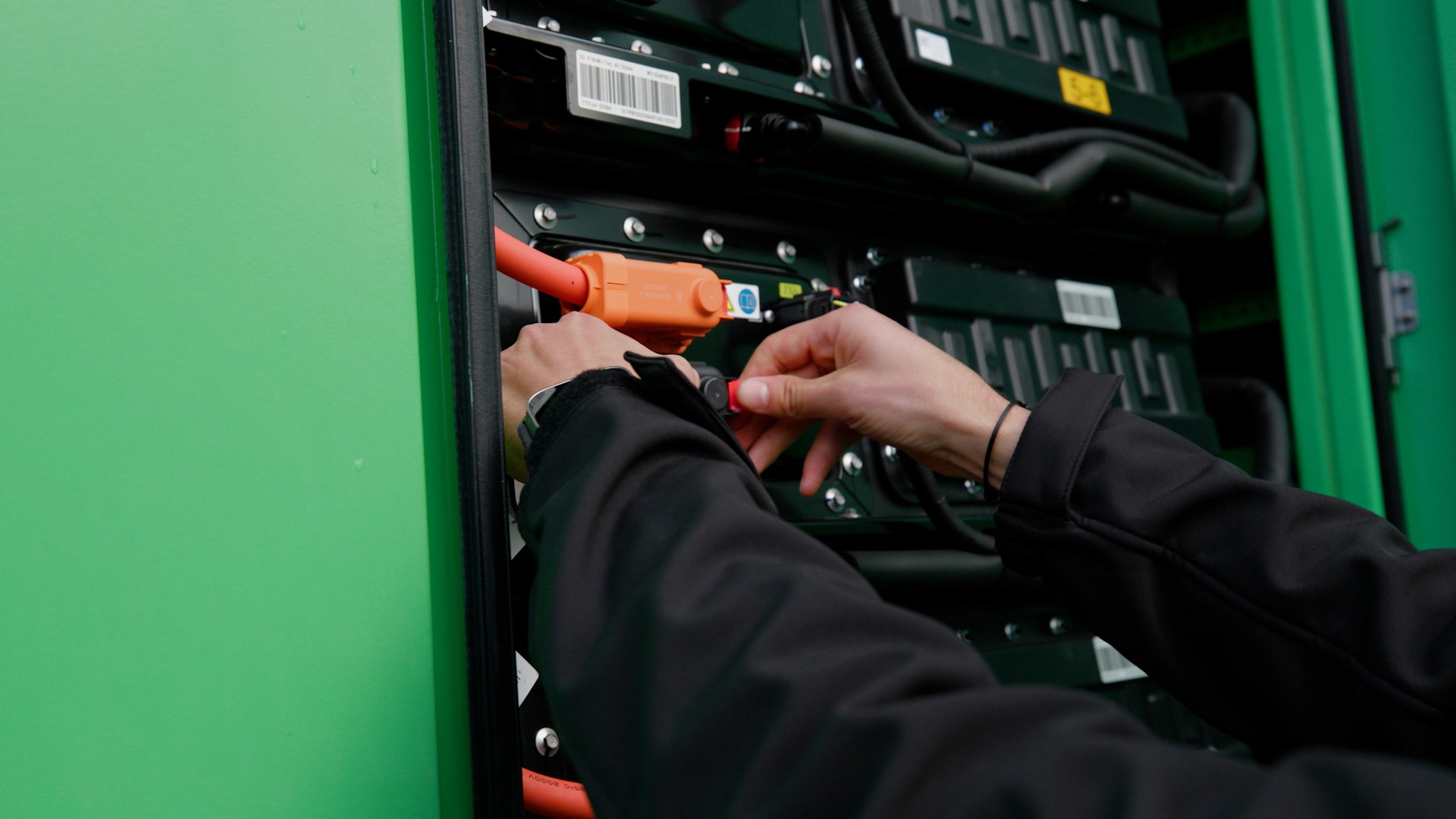
Safety regulations for battery containers: what does the law say?
Strict regulations make safe battery storage and transport crucial for the environment and business operations.
Safety regulations for battery containers: what does the law say?
Strict regulations make safe battery storage and transport crucial for the environment and business operations.

Battery containers play an essential role in the safe storage and transport of batteries, especially when it comes to lithium-ion batteries. Regulations for these containers are strict, since improper storage or transport can lead to serious safety risks such as fire or chemical leaks. It is therefore crucial to be aware of the applicable legislation, so that companies and institutions comply with the correct requirements while safeguarding the safety of employees and the environment.
Fire safety requirements for battery containers
One of the key aspects of regulations concerning battery containers is fire safety. Lithium-ion batteries can overheat and create a fire hazard. That is why strict requirements apply to the construction and ventilation of battery containers. Materials must be fire-retardant and provide sufficient insulation to minimize the risk of thermal incidents.
In addition, companies must provide a suitable extinguishing method, since standard water extinguishers are not effective against battery fires. Specialized extinguishing systems such as aerosol or foam extinguishers are often recommended. The right storage system, such as an approved battery container, helps companies comply with safety standards and minimize risks.
Environmental legislation: protection of people and nature
In addition to fire safety, strict environmental requirements also apply to battery storage. Batteries contain harmful substances such as lead, mercury, and cadmium, which can cause serious environmental damage in the event of improper storage or leakage. A battery container must therefore be leak-proof and include collection trays to contain any leaks.
Transport rules also apply when moving batteries. Batteries considered hazardous waste, for example, must comply with ADR regulations for the transport of dangerous goods. Companies that store or transport batteries must be aware of these rules to prevent fines and environmental damage.
Mandatory certifications by sector
The exact legal and regulatory requirements differ by sector. In the industrial sector, companies often need to comply with ISO 45001 (occupational safety) and ISO 14001 (environmental management). In addition, specific fire safety standards apply, such as NEN 3140 and PGS 37-2. These certifications and guidelines ensure that battery storage is handled safely and responsibly.
Additional requirements apply to transport and logistics companies. Consider UN markings that indicate whether packaging is suitable for transporting dangerous goods. Companies that ship or store batteries must also undergo regular audits to ensure legal compliance.
How do you make sure you comply with the rules?
To comply with legislation, it is important to carry out periodic risk analyses and train staff in proper storage and transport procedures. Investing in a certified battery container with the right safety features can help meet all legal requirements. It is also advisable to work with specialists in fire safety and environmental legislation to stay informed about the latest developments.
Most frequently asked questions about safety rules for battery containers
1. Do all companies need to use a special battery container?
Yes, companies that store or transport batteries must comply with applicable legislation and in most cases use an approved container.
2. Which certifications are required for battery storage?
This depends on the sector, but ISO 45001, ISO 14001, and PGS 37-2 are often relevant.
3. How often should a battery container be inspected?
Regular inspections are essential and are often recommended at least annually, depending on operations.
4. What happens if a battery container does not comply with regulations?
This can lead to fines, environmental pollution, and safety risks such as fire.
5. Are there subsidies for purchasing safe battery containers?
Some governments offer subsidies or tax benefits for companies that invest in environmentally friendly and safe storage solutions.
Conclusion
The safe storage and transport of batteries is a complex but essential task for companies working with these products. By complying with the right laws and regulations, companies can not only prevent fines and environmental damage, but also ensure the safety of employees and their surroundings. Investing in a certified battery container and following fire safety and environmental rules are crucial steps to remain compliant. By acting proactively and staying informed about the latest developments, companies can manage battery storage responsibly and sustainably.

Contact details
Joep Koolen
CCO
Battery containers play an essential role in the safe storage and transport of batteries, especially when it comes to lithium-ion batteries. Regulations for these containers are strict, since improper storage or transport can lead to serious safety risks such as fire or chemical leaks. It is therefore crucial to be aware of the applicable legislation, so that companies and institutions comply with the correct requirements while safeguarding the safety of employees and the environment.
Fire safety requirements for battery containers
One of the key aspects of regulations concerning battery containers is fire safety. Lithium-ion batteries can overheat and create a fire hazard. That is why strict requirements apply to the construction and ventilation of battery containers. Materials must be fire-retardant and provide sufficient insulation to minimize the risk of thermal incidents.
In addition, companies must provide a suitable extinguishing method, since standard water extinguishers are not effective against battery fires. Specialized extinguishing systems such as aerosol or foam extinguishers are often recommended. The right storage system, such as an approved battery container, helps companies comply with safety standards and minimize risks.
Environmental legislation: protection of people and nature
In addition to fire safety, strict environmental requirements also apply to battery storage. Batteries contain harmful substances such as lead, mercury, and cadmium, which can cause serious environmental damage in the event of improper storage or leakage. A battery container must therefore be leak-proof and include collection trays to contain any leaks.
Transport rules also apply when moving batteries. Batteries considered hazardous waste, for example, must comply with ADR regulations for the transport of dangerous goods. Companies that store or transport batteries must be aware of these rules to prevent fines and environmental damage.
Mandatory certifications by sector
The exact legal and regulatory requirements differ by sector. In the industrial sector, companies often need to comply with ISO 45001 (occupational safety) and ISO 14001 (environmental management). In addition, specific fire safety standards apply, such as NEN 3140 and PGS 37-2. These certifications and guidelines ensure that battery storage is handled safely and responsibly.
Additional requirements apply to transport and logistics companies. Consider UN markings that indicate whether packaging is suitable for transporting dangerous goods. Companies that ship or store batteries must also undergo regular audits to ensure legal compliance.
How do you make sure you comply with the rules?
To comply with legislation, it is important to carry out periodic risk analyses and train staff in proper storage and transport procedures. Investing in a certified battery container with the right safety features can help meet all legal requirements. It is also advisable to work with specialists in fire safety and environmental legislation to stay informed about the latest developments.
Most frequently asked questions about safety rules for battery containers
1. Do all companies need to use a special battery container?
Yes, companies that store or transport batteries must comply with applicable legislation and in most cases use an approved container.
2. Which certifications are required for battery storage?
This depends on the sector, but ISO 45001, ISO 14001, and PGS 37-2 are often relevant.
3. How often should a battery container be inspected?
Regular inspections are essential and are often recommended at least annually, depending on operations.
4. What happens if a battery container does not comply with regulations?
This can lead to fines, environmental pollution, and safety risks such as fire.
5. Are there subsidies for purchasing safe battery containers?
Some governments offer subsidies or tax benefits for companies that invest in environmentally friendly and safe storage solutions.
Conclusion
The safe storage and transport of batteries is a complex but essential task for companies working with these products. By complying with the right laws and regulations, companies can not only prevent fines and environmental damage, but also ensure the safety of employees and their surroundings. Investing in a certified battery container and following fire safety and environmental rules are crucial steps to remain compliant. By acting proactively and staying informed about the latest developments, companies can manage battery storage responsibly and sustainably.
Contact details
Joep Koolen
CCO
Battery containers play an essential role in the safe storage and transport of batteries, especially when it comes to lithium-ion batteries. Regulations for these containers are strict, since improper storage or transport can lead to serious safety risks such as fire or chemical leaks. It is therefore crucial to be aware of the applicable legislation, so that companies and institutions comply with the correct requirements while safeguarding the safety of employees and the environment.
Fire safety requirements for battery containers
One of the key aspects of regulations concerning battery containers is fire safety. Lithium-ion batteries can overheat and create a fire hazard. That is why strict requirements apply to the construction and ventilation of battery containers. Materials must be fire-retardant and provide sufficient insulation to minimize the risk of thermal incidents.
In addition, companies must provide a suitable extinguishing method, since standard water extinguishers are not effective against battery fires. Specialized extinguishing systems such as aerosol or foam extinguishers are often recommended. The right storage system, such as an approved battery container, helps companies comply with safety standards and minimize risks.
Environmental legislation: protection of people and nature
In addition to fire safety, strict environmental requirements also apply to battery storage. Batteries contain harmful substances such as lead, mercury, and cadmium, which can cause serious environmental damage in the event of improper storage or leakage. A battery container must therefore be leak-proof and include collection trays to contain any leaks.
Transport rules also apply when moving batteries. Batteries considered hazardous waste, for example, must comply with ADR regulations for the transport of dangerous goods. Companies that store or transport batteries must be aware of these rules to prevent fines and environmental damage.
Mandatory certifications by sector
The exact legal and regulatory requirements differ by sector. In the industrial sector, companies often need to comply with ISO 45001 (occupational safety) and ISO 14001 (environmental management). In addition, specific fire safety standards apply, such as NEN 3140 and PGS 37-2. These certifications and guidelines ensure that battery storage is handled safely and responsibly.
Additional requirements apply to transport and logistics companies. Consider UN markings that indicate whether packaging is suitable for transporting dangerous goods. Companies that ship or store batteries must also undergo regular audits to ensure legal compliance.
How do you make sure you comply with the rules?
To comply with legislation, it is important to carry out periodic risk analyses and train staff in proper storage and transport procedures. Investing in a certified battery container with the right safety features can help meet all legal requirements. It is also advisable to work with specialists in fire safety and environmental legislation to stay informed about the latest developments.
Most frequently asked questions about safety rules for battery containers
1. Do all companies need to use a special battery container?
Yes, companies that store or transport batteries must comply with applicable legislation and in most cases use an approved container.
2. Which certifications are required for battery storage?
This depends on the sector, but ISO 45001, ISO 14001, and PGS 37-2 are often relevant.
3. How often should a battery container be inspected?
Regular inspections are essential and are often recommended at least annually, depending on operations.
4. What happens if a battery container does not comply with regulations?
This can lead to fines, environmental pollution, and safety risks such as fire.
5. Are there subsidies for purchasing safe battery containers?
Some governments offer subsidies or tax benefits for companies that invest in environmentally friendly and safe storage solutions.
Conclusion
The safe storage and transport of batteries is a complex but essential task for companies working with these products. By complying with the right laws and regulations, companies can not only prevent fines and environmental damage, but also ensure the safety of employees and their surroundings. Investing in a certified battery container and following fire safety and environmental rules are crucial steps to remain compliant. By acting proactively and staying informed about the latest developments, companies can manage battery storage responsibly and sustainably.
Contact details
Joep Koolen
CCO
Battery containers play an essential role in the safe storage and transport of batteries, especially when it comes to lithium-ion batteries. Regulations for these containers are strict, since improper storage or transport can lead to serious safety risks such as fire or chemical leaks. It is therefore crucial to be aware of the applicable legislation, so that companies and institutions comply with the correct requirements while safeguarding the safety of employees and the environment.
Fire safety requirements for battery containers
One of the key aspects of regulations concerning battery containers is fire safety. Lithium-ion batteries can overheat and create a fire hazard. That is why strict requirements apply to the construction and ventilation of battery containers. Materials must be fire-retardant and provide sufficient insulation to minimize the risk of thermal incidents.
In addition, companies must provide a suitable extinguishing method, since standard water extinguishers are not effective against battery fires. Specialized extinguishing systems such as aerosol or foam extinguishers are often recommended. The right storage system, such as an approved battery container, helps companies comply with safety standards and minimize risks.
Environmental legislation: protection of people and nature
In addition to fire safety, strict environmental requirements also apply to battery storage. Batteries contain harmful substances such as lead, mercury, and cadmium, which can cause serious environmental damage in the event of improper storage or leakage. A battery container must therefore be leak-proof and include collection trays to contain any leaks.
Transport rules also apply when moving batteries. Batteries considered hazardous waste, for example, must comply with ADR regulations for the transport of dangerous goods. Companies that store or transport batteries must be aware of these rules to prevent fines and environmental damage.
Mandatory certifications by sector
The exact legal and regulatory requirements differ by sector. In the industrial sector, companies often need to comply with ISO 45001 (occupational safety) and ISO 14001 (environmental management). In addition, specific fire safety standards apply, such as NEN 3140 and PGS 37-2. These certifications and guidelines ensure that battery storage is handled safely and responsibly.
Additional requirements apply to transport and logistics companies. Consider UN markings that indicate whether packaging is suitable for transporting dangerous goods. Companies that ship or store batteries must also undergo regular audits to ensure legal compliance.
How do you make sure you comply with the rules?
To comply with legislation, it is important to carry out periodic risk analyses and train staff in proper storage and transport procedures. Investing in a certified battery container with the right safety features can help meet all legal requirements. It is also advisable to work with specialists in fire safety and environmental legislation to stay informed about the latest developments.
Most frequently asked questions about safety rules for battery containers
1. Do all companies need to use a special battery container?
Yes, companies that store or transport batteries must comply with applicable legislation and in most cases use an approved container.
2. Which certifications are required for battery storage?
This depends on the sector, but ISO 45001, ISO 14001, and PGS 37-2 are often relevant.
3. How often should a battery container be inspected?
Regular inspections are essential and are often recommended at least annually, depending on operations.
4. What happens if a battery container does not comply with regulations?
This can lead to fines, environmental pollution, and safety risks such as fire.
5. Are there subsidies for purchasing safe battery containers?
Some governments offer subsidies or tax benefits for companies that invest in environmentally friendly and safe storage solutions.
Conclusion
The safe storage and transport of batteries is a complex but essential task for companies working with these products. By complying with the right laws and regulations, companies can not only prevent fines and environmental damage, but also ensure the safety of employees and their surroundings. Investing in a certified battery container and following fire safety and environmental rules are crucial steps to remain compliant. By acting proactively and staying informed about the latest developments, companies can manage battery storage responsibly and sustainably.
Contact details
Joep Koolen
CCO
and scalable battery storage
Customer service
Solutions
Subscribe to our newsletter to stay informed.
By signing up, you agree to the privacy statement and the general terms and conditions of ChargeBlock B.V. You can unsubscribe at any time.
Rated
4.8/5.0

Developed
in the Netherlands

© 2026 Chargeblock. All Rights Reserved.
and scalable battery storage
Customer service
Solutions
Subscribe to our newsletter to stay informed.
By signing up, you agree to the privacy statement and the general terms and conditions of ChargeBlock B.V. You can unsubscribe at any time.
Rated
4.8/5.0
Developed
in the Netherlands
© 2026 Chargeblock. All Rights Reserved.
and scalable battery storage
Customer service
Solutions
Subscribe to our newsletter to stay informed.
By signing up, you agree to the privacy statement and the general terms and conditions of ChargeBlock B.V. You can unsubscribe at any time.
Rated
4.8/5.0
Developed
in the Netherlands
© 2026 Chargeblock. All Rights Reserved.