What is the role of a battery container in a microgrid?
A battery container stabilizes microgrids and improves the reliability of local power supplies.
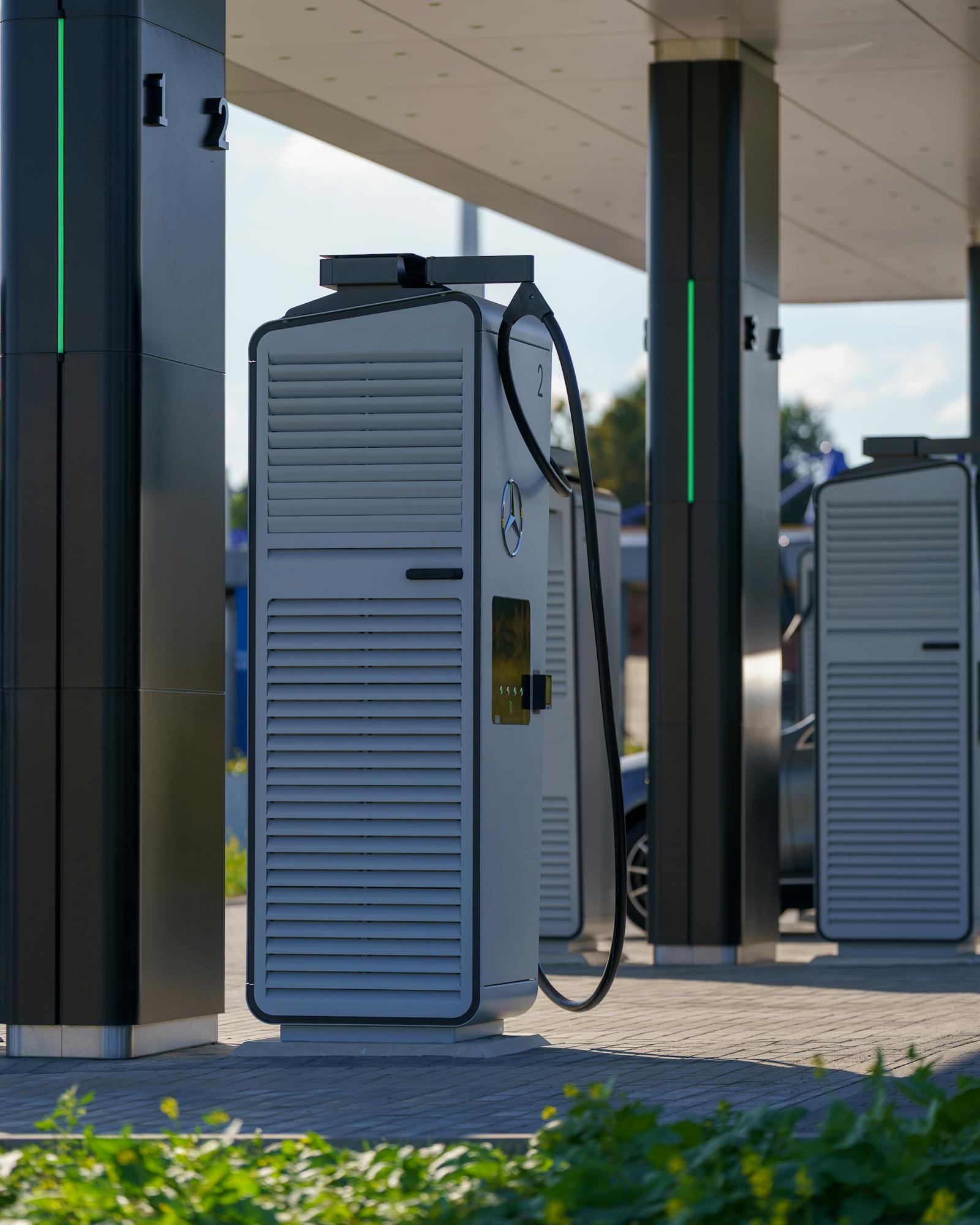
What is the role of a battery container in a microgrid?
A battery container stabilizes microgrids and improves the reliability of local power supplies.
What is the role of a battery container in a microgrid?
A battery container stabilizes microgrids and improves the reliability of local power supplies.

A battery container plays a key role in how a microgrid operates. In a world where energy is generated in smarter, more sustainable, and more local ways, microgrids offer an independent alternative to the traditional power grid. They function as standalone energy systems that align supply and demand within a specific area, such as a business park, residential district, or event site.
The challenge within such a network is balancing fluctuations in generation and consumption. That is exactly where the battery container becomes indispensable. This storage unit absorbs peaks and dips in both solar and wind energy and acts as a reliable buffer. The result is not only a more stable energy supply, but also a higher degree of autonomy. In this blog, we explain how this works, why it is relevant, and what benefits it offers for companies, municipalities, and project developers.
What is a microgrid and why is it becoming more popular?
A microgrid is a local energy network that can operate independently, separate from the national electricity grid. It often includes solar panels, wind turbines, charging stations, and smart meters—and therefore energy storage as well.
This setup is attractive because it:
Provides independence from the main grid
Reduces costs through smarter energy use
Maximizes the use of renewable sources
Provides backup power during outages
Due to rising energy costs, grid congestion, and growing demand for sustainable solutions, interest in microgrids is increasing rapidly—especially in the business market.
How does a battery container provide energy balance in a microgrid?
The production of sustainable energy is variable. For example, solar panels produce a lot of power during the day, but none in the evening. If you do not use or store this energy immediately, it is lost. A battery container solves this by temporarily storing surplus energy and making it available later.
Imagine this: on a sunny afternoon, more power is generated than the microgrid needs. The container stores the surplus. In the evening—when demand peaks—the container supplies this energy back to the system. This prevents both overload and interruptions.
The advantages of this setup are substantial:
Consistent availability of green energy
Reduced dependence on the national grid
Higher efficiency within the local energy system
Why is energy storage crucial for smart networks?
Smart networks (smart grids) can distribute energy in real time based on availability, price, and demand. But without storage, this system is less reliable. Effective control is only possible when you can decide when to deploy energy.
A battery container acts as the central link in this process. By analyzing data from the microgrid, the system automatically determines when to charge and discharge. This not only improves reliability, but also enables dynamic energy management. For example:
Charging when electricity is cheap or abundant
Discharging when demand or electricity prices are high
Responding immediately to grid congestion or voltage fluctuations
This makes the microgrid not only more stable, but also more economical.
How autonomous does a system become with battery containers?
A microgrid with a battery container can—depending on scale and configuration—operate fully autonomously. This is especially relevant in locations without a reliable grid connection, or where the cost of grid reinforcement is too high. Examples include festivals, construction sites, islands, or temporary installations.
Even in situations where a grid connection is possible, many companies deliberately choose a partially autonomous system. Why? Because it offers flexibility, creates backup capacity, and is future-ready. With the rise of variable energy tariffs and grid limitations (such as increasingly strict feed-in rules for solar energy), independence is more attractive than ever.
Who benefits from a battery container in a microgrid?
Applications are broad and growing quickly. Examples include:
Municipalities that want to build energy-neutral projects
Agricultural businesses with their own energy generation
Business parks facing grid congestion
Project developers of sustainable residential districts
Event organizers who want to stop using diesel generators
In all of these situations, a battery container offers a scalable, sustainable, and efficient solution that grows with the needs of the microgrid.
Frequently asked questions about battery containers in microgrids
How large should a battery container be for a microgrid?
That depends on energy consumption, peak load, and the amount of generation. An energy scan helps determine this accurately.
Can you run a microgrid without a grid connection?
Yes, with sufficient generation and a properly sized battery container, full autonomy is possible.
What does a battery container for a microgrid cost?
On average between €20,000 and €150,000, depending on capacity, inverters, cooling, and monitoring.
Is subsidy available for these types of systems?
Yes, through schemes such as EIA and SDE++ companies or organizations can receive financial benefits.
How quickly can a battery container be deployed?
Most systems can be delivered and operational within a few weeks, depending on the project.
Are they suitable for outdoor use?
Yes, many models are weather-resistant and designed for outdoor applications, even in extreme temperatures.
How long does such a container last?
On average 10 to 15 years, depending on usage intensity, maintenance, and battery technology.

Contact details
Joep Koolen
CCO
A battery container plays a key role in how a microgrid operates. In a world where energy is generated in smarter, more sustainable, and more local ways, microgrids offer an independent alternative to the traditional power grid. They function as standalone energy systems that align supply and demand within a specific area, such as a business park, residential district, or event site.
The challenge within such a network is balancing fluctuations in generation and consumption. That is exactly where the battery container becomes indispensable. This storage unit absorbs peaks and dips in both solar and wind energy and acts as a reliable buffer. The result is not only a more stable energy supply, but also a higher degree of autonomy. In this blog, we explain how this works, why it is relevant, and what benefits it offers for companies, municipalities, and project developers.
What is a microgrid and why is it becoming more popular?
A microgrid is a local energy network that can operate independently, separate from the national electricity grid. It often includes solar panels, wind turbines, charging stations, and smart meters—and therefore energy storage as well.
This setup is attractive because it:
Provides independence from the main grid
Reduces costs through smarter energy use
Maximizes the use of renewable sources
Provides backup power during outages
Due to rising energy costs, grid congestion, and growing demand for sustainable solutions, interest in microgrids is increasing rapidly—especially in the business market.
How does a battery container provide energy balance in a microgrid?
The production of sustainable energy is variable. For example, solar panels produce a lot of power during the day, but none in the evening. If you do not use or store this energy immediately, it is lost. A battery container solves this by temporarily storing surplus energy and making it available later.
Imagine this: on a sunny afternoon, more power is generated than the microgrid needs. The container stores the surplus. In the evening—when demand peaks—the container supplies this energy back to the system. This prevents both overload and interruptions.
The advantages of this setup are substantial:
Consistent availability of green energy
Reduced dependence on the national grid
Higher efficiency within the local energy system
Why is energy storage crucial for smart networks?
Smart networks (smart grids) can distribute energy in real time based on availability, price, and demand. But without storage, this system is less reliable. Effective control is only possible when you can decide when to deploy energy.
A battery container acts as the central link in this process. By analyzing data from the microgrid, the system automatically determines when to charge and discharge. This not only improves reliability, but also enables dynamic energy management. For example:
Charging when electricity is cheap or abundant
Discharging when demand or electricity prices are high
Responding immediately to grid congestion or voltage fluctuations
This makes the microgrid not only more stable, but also more economical.
How autonomous does a system become with battery containers?
A microgrid with a battery container can—depending on scale and configuration—operate fully autonomously. This is especially relevant in locations without a reliable grid connection, or where the cost of grid reinforcement is too high. Examples include festivals, construction sites, islands, or temporary installations.
Even in situations where a grid connection is possible, many companies deliberately choose a partially autonomous system. Why? Because it offers flexibility, creates backup capacity, and is future-ready. With the rise of variable energy tariffs and grid limitations (such as increasingly strict feed-in rules for solar energy), independence is more attractive than ever.
Who benefits from a battery container in a microgrid?
Applications are broad and growing quickly. Examples include:
Municipalities that want to build energy-neutral projects
Agricultural businesses with their own energy generation
Business parks facing grid congestion
Project developers of sustainable residential districts
Event organizers who want to stop using diesel generators
In all of these situations, a battery container offers a scalable, sustainable, and efficient solution that grows with the needs of the microgrid.
Frequently asked questions about battery containers in microgrids
How large should a battery container be for a microgrid?
That depends on energy consumption, peak load, and the amount of generation. An energy scan helps determine this accurately.
Can you run a microgrid without a grid connection?
Yes, with sufficient generation and a properly sized battery container, full autonomy is possible.
What does a battery container for a microgrid cost?
On average between €20,000 and €150,000, depending on capacity, inverters, cooling, and monitoring.
Is subsidy available for these types of systems?
Yes, through schemes such as EIA and SDE++ companies or organizations can receive financial benefits.
How quickly can a battery container be deployed?
Most systems can be delivered and operational within a few weeks, depending on the project.
Are they suitable for outdoor use?
Yes, many models are weather-resistant and designed for outdoor applications, even in extreme temperatures.
How long does such a container last?
On average 10 to 15 years, depending on usage intensity, maintenance, and battery technology.
Contact details
Joep Koolen
CCO
A battery container plays a key role in how a microgrid operates. In a world where energy is generated in smarter, more sustainable, and more local ways, microgrids offer an independent alternative to the traditional power grid. They function as standalone energy systems that align supply and demand within a specific area, such as a business park, residential district, or event site.
The challenge within such a network is balancing fluctuations in generation and consumption. That is exactly where the battery container becomes indispensable. This storage unit absorbs peaks and dips in both solar and wind energy and acts as a reliable buffer. The result is not only a more stable energy supply, but also a higher degree of autonomy. In this blog, we explain how this works, why it is relevant, and what benefits it offers for companies, municipalities, and project developers.
What is a microgrid and why is it becoming more popular?
A microgrid is a local energy network that can operate independently, separate from the national electricity grid. It often includes solar panels, wind turbines, charging stations, and smart meters—and therefore energy storage as well.
This setup is attractive because it:
Provides independence from the main grid
Reduces costs through smarter energy use
Maximizes the use of renewable sources
Provides backup power during outages
Due to rising energy costs, grid congestion, and growing demand for sustainable solutions, interest in microgrids is increasing rapidly—especially in the business market.
How does a battery container provide energy balance in a microgrid?
The production of sustainable energy is variable. For example, solar panels produce a lot of power during the day, but none in the evening. If you do not use or store this energy immediately, it is lost. A battery container solves this by temporarily storing surplus energy and making it available later.
Imagine this: on a sunny afternoon, more power is generated than the microgrid needs. The container stores the surplus. In the evening—when demand peaks—the container supplies this energy back to the system. This prevents both overload and interruptions.
The advantages of this setup are substantial:
Consistent availability of green energy
Reduced dependence on the national grid
Higher efficiency within the local energy system
Why is energy storage crucial for smart networks?
Smart networks (smart grids) can distribute energy in real time based on availability, price, and demand. But without storage, this system is less reliable. Effective control is only possible when you can decide when to deploy energy.
A battery container acts as the central link in this process. By analyzing data from the microgrid, the system automatically determines when to charge and discharge. This not only improves reliability, but also enables dynamic energy management. For example:
Charging when electricity is cheap or abundant
Discharging when demand or electricity prices are high
Responding immediately to grid congestion or voltage fluctuations
This makes the microgrid not only more stable, but also more economical.
How autonomous does a system become with battery containers?
A microgrid with a battery container can—depending on scale and configuration—operate fully autonomously. This is especially relevant in locations without a reliable grid connection, or where the cost of grid reinforcement is too high. Examples include festivals, construction sites, islands, or temporary installations.
Even in situations where a grid connection is possible, many companies deliberately choose a partially autonomous system. Why? Because it offers flexibility, creates backup capacity, and is future-ready. With the rise of variable energy tariffs and grid limitations (such as increasingly strict feed-in rules for solar energy), independence is more attractive than ever.
Who benefits from a battery container in a microgrid?
Applications are broad and growing quickly. Examples include:
Municipalities that want to build energy-neutral projects
Agricultural businesses with their own energy generation
Business parks facing grid congestion
Project developers of sustainable residential districts
Event organizers who want to stop using diesel generators
In all of these situations, a battery container offers a scalable, sustainable, and efficient solution that grows with the needs of the microgrid.
Frequently asked questions about battery containers in microgrids
How large should a battery container be for a microgrid?
That depends on energy consumption, peak load, and the amount of generation. An energy scan helps determine this accurately.
Can you run a microgrid without a grid connection?
Yes, with sufficient generation and a properly sized battery container, full autonomy is possible.
What does a battery container for a microgrid cost?
On average between €20,000 and €150,000, depending on capacity, inverters, cooling, and monitoring.
Is subsidy available for these types of systems?
Yes, through schemes such as EIA and SDE++ companies or organizations can receive financial benefits.
How quickly can a battery container be deployed?
Most systems can be delivered and operational within a few weeks, depending on the project.
Are they suitable for outdoor use?
Yes, many models are weather-resistant and designed for outdoor applications, even in extreme temperatures.
How long does such a container last?
On average 10 to 15 years, depending on usage intensity, maintenance, and battery technology.
Contact details
Joep Koolen
CCO
A battery container plays a key role in how a microgrid operates. In a world where energy is generated in smarter, more sustainable, and more local ways, microgrids offer an independent alternative to the traditional power grid. They function as standalone energy systems that align supply and demand within a specific area, such as a business park, residential district, or event site.
The challenge within such a network is balancing fluctuations in generation and consumption. That is exactly where the battery container becomes indispensable. This storage unit absorbs peaks and dips in both solar and wind energy and acts as a reliable buffer. The result is not only a more stable energy supply, but also a higher degree of autonomy. In this blog, we explain how this works, why it is relevant, and what benefits it offers for companies, municipalities, and project developers.
What is a microgrid and why is it becoming more popular?
A microgrid is a local energy network that can operate independently, separate from the national electricity grid. It often includes solar panels, wind turbines, charging stations, and smart meters—and therefore energy storage as well.
This setup is attractive because it:
Provides independence from the main grid
Reduces costs through smarter energy use
Maximizes the use of renewable sources
Provides backup power during outages
Due to rising energy costs, grid congestion, and growing demand for sustainable solutions, interest in microgrids is increasing rapidly—especially in the business market.
How does a battery container provide energy balance in a microgrid?
The production of sustainable energy is variable. For example, solar panels produce a lot of power during the day, but none in the evening. If you do not use or store this energy immediately, it is lost. A battery container solves this by temporarily storing surplus energy and making it available later.
Imagine this: on a sunny afternoon, more power is generated than the microgrid needs. The container stores the surplus. In the evening—when demand peaks—the container supplies this energy back to the system. This prevents both overload and interruptions.
The advantages of this setup are substantial:
Consistent availability of green energy
Reduced dependence on the national grid
Higher efficiency within the local energy system
Why is energy storage crucial for smart networks?
Smart networks (smart grids) can distribute energy in real time based on availability, price, and demand. But without storage, this system is less reliable. Effective control is only possible when you can decide when to deploy energy.
A battery container acts as the central link in this process. By analyzing data from the microgrid, the system automatically determines when to charge and discharge. This not only improves reliability, but also enables dynamic energy management. For example:
Charging when electricity is cheap or abundant
Discharging when demand or electricity prices are high
Responding immediately to grid congestion or voltage fluctuations
This makes the microgrid not only more stable, but also more economical.
How autonomous does a system become with battery containers?
A microgrid with a battery container can—depending on scale and configuration—operate fully autonomously. This is especially relevant in locations without a reliable grid connection, or where the cost of grid reinforcement is too high. Examples include festivals, construction sites, islands, or temporary installations.
Even in situations where a grid connection is possible, many companies deliberately choose a partially autonomous system. Why? Because it offers flexibility, creates backup capacity, and is future-ready. With the rise of variable energy tariffs and grid limitations (such as increasingly strict feed-in rules for solar energy), independence is more attractive than ever.
Who benefits from a battery container in a microgrid?
Applications are broad and growing quickly. Examples include:
Municipalities that want to build energy-neutral projects
Agricultural businesses with their own energy generation
Business parks facing grid congestion
Project developers of sustainable residential districts
Event organizers who want to stop using diesel generators
In all of these situations, a battery container offers a scalable, sustainable, and efficient solution that grows with the needs of the microgrid.
Frequently asked questions about battery containers in microgrids
How large should a battery container be for a microgrid?
That depends on energy consumption, peak load, and the amount of generation. An energy scan helps determine this accurately.
Can you run a microgrid without a grid connection?
Yes, with sufficient generation and a properly sized battery container, full autonomy is possible.
What does a battery container for a microgrid cost?
On average between €20,000 and €150,000, depending on capacity, inverters, cooling, and monitoring.
Is subsidy available for these types of systems?
Yes, through schemes such as EIA and SDE++ companies or organizations can receive financial benefits.
How quickly can a battery container be deployed?
Most systems can be delivered and operational within a few weeks, depending on the project.
Are they suitable for outdoor use?
Yes, many models are weather-resistant and designed for outdoor applications, even in extreme temperatures.
How long does such a container last?
On average 10 to 15 years, depending on usage intensity, maintenance, and battery technology.
Contact details
Joep Koolen
CCO
and scalable battery storage
Customer service
Solutions
Subscribe to our newsletter to stay informed.
By signing up, you agree to the privacy statement and the general terms and conditions of ChargeBlock B.V. You can unsubscribe at any time.
Rated
4.8/5.0

Developed
in the Netherlands

and scalable battery storage
Customer service
Solutions
Subscribe to our newsletter to stay informed.
By signing up, you agree to the privacy statement and the general terms and conditions of ChargeBlock B.V. You can unsubscribe at any time.
Rated
4.8/5.0
Developed
in the Netherlands
and scalable battery storage
Customer service
Solutions
Subscribe to our newsletter to stay informed.
By signing up, you agree to the privacy statement and the general terms and conditions of ChargeBlock B.V. You can unsubscribe at any time.
Rated
4.8/5.0
Developed
in the Netherlands